
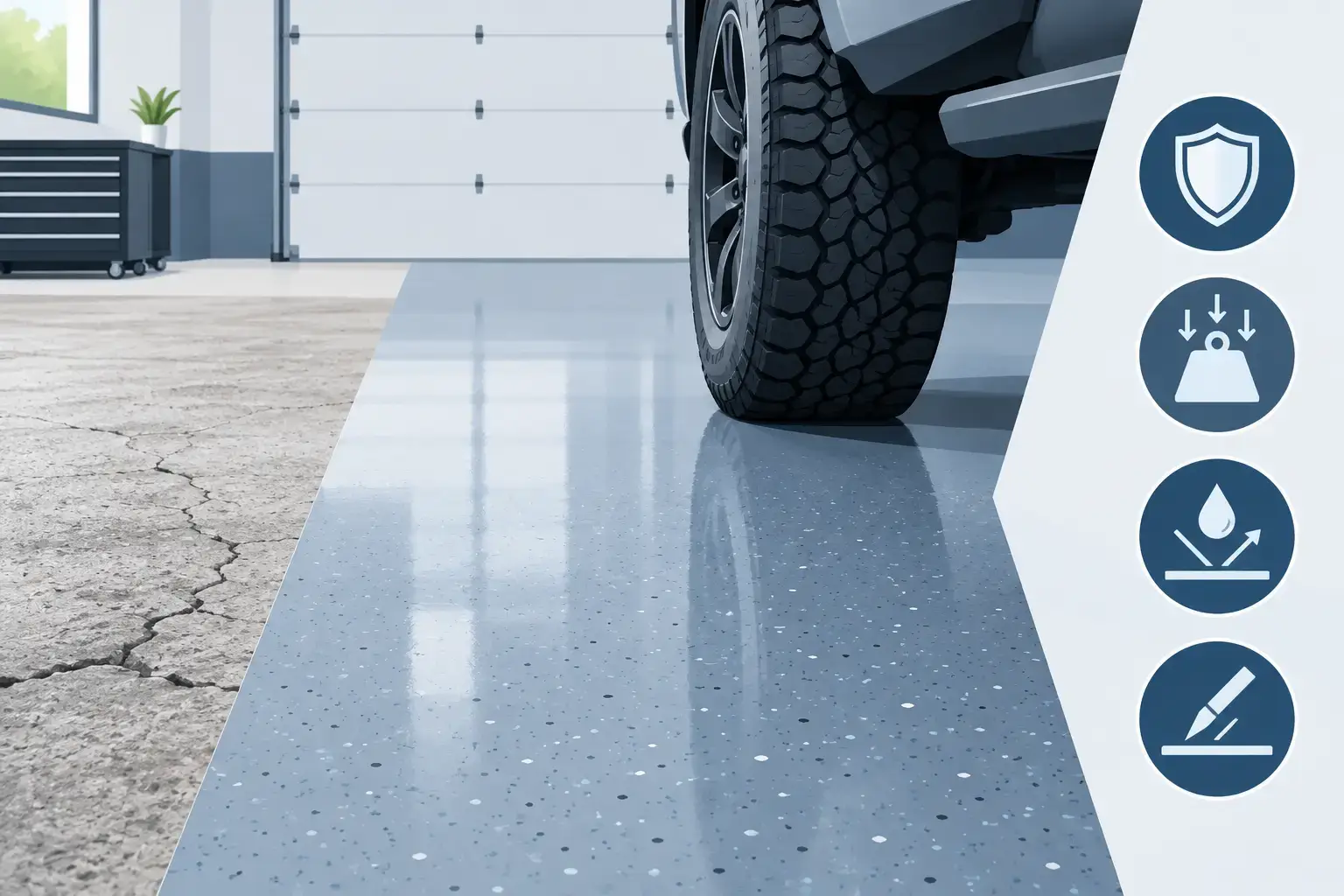
Concrete Coatings That Hold Up Under Pressure
A concrete floor can look solid while still being vulnerable to tire marks, oil, chemicals, abrasion, moisture, and daily traffic. The right concrete coatings turn that exposed slab into a finished surface built for the way your property actually operates. For an Orange County garage, retail floor, warehouse, office, restaurant, or industrial space, that means choosing more than a color. It means choosing a system that fits the traffic, cleaning routine, moisture conditions, and appearance you need.
A coating project is only as good as the preparation under it. That is why experienced contractors start by evaluating the slab itself, not by recommending a one-size-fits-all product. Cracks, surface contamination, old coatings, moisture vapor, uneven areas, and the intended use of the space all affect the right solution.
What Concrete Coatings Do for Your Floor
Concrete coatings create a protective layer over an existing slab. Depending on the system, they can improve chemical resistance, reduce dusting, simplify cleaning, add traction, and give a plain or damaged floor a more finished appearance. They are widely used because concrete is structurally strong but naturally porous. Without protection, it can absorb oils, stains, and contaminants that are difficult to remove.
For homeowners, the most common application is a garage floor. A quality coating helps protect against hot tire pickup, automotive fluids, lawn equipment, and everyday wear while making the room brighter and easier to maintain. Decorative flakes, solid colors, metallic effects, and clear topcoats can also make the garage feel like a finished extension of the home.
Commercial and industrial properties often have different priorities. A warehouse may need abrasion resistance and a surface that stands up to forklifts. A restaurant may need improved cleanability and slip resistance in back-of-house areas. A retail store may prioritize appearance, fast turnaround, and a coating that handles steady foot traffic. The best system depends on the environment, not on a generic package.
Choosing the Right Concrete Coating System
Epoxy is one of the best-known options because it creates a hard, attractive, chemical-resistant surface. It works well in garages, showrooms, work areas, and many commercial settings. Epoxy systems can be installed in solid colors, decorative flake blends, quartz finishes, or high-build applications that help create a more uniform surface.
However, epoxy is not automatically the right choice for every slab or every schedule. Some projects require faster cure times, greater UV stability, or different performance characteristics. Polyaspartic and polyurethane topcoats are often selected where quick return to service, added flexibility, or better resistance to sunlight is needed. In spaces with direct sun exposure, the topcoat matters because some materials can amber or change appearance over time.
Decorative flake systems are popular for residential garages and light commercial spaces because they hide small imperfections and create a finished, textured look. The flakes are broadcast into the base coat and sealed with clear coats. They can also add practical texture underfoot, although the level of traction should be matched to the use of the area.
For heavy-duty operations, thicker resinous systems may be the better fit. These are designed around conditions such as repeated vehicle traffic, impacts, chemical exposure, and frequent washing. A heavier system can provide stronger protection, but it also requires proper surface profiling, careful moisture evaluation, and enough installation time to perform as intended.
Surface Preparation Decides the Outcome
The most common coating failures are not caused by the color or the final topcoat. They start below the surface. If a slab has oil contamination, weak concrete, moisture issues, or an old coating that has not been properly removed, a new finish may not bond correctly.
Professional concrete grinding opens the pores of the slab and creates the surface profile needed for adhesion. This is not the same as quickly washing or acid etching a floor. Mechanical preparation removes weak material, exposes a clean surface, and gives the coating system a reliable foundation. Dust-controlled equipment also helps keep the work area cleaner during preparation.
Cracks and joints need attention before coating begins. Some cracks can be repaired and blended into the finished floor, while moving joints often need to remain flexible. Trying to hide every joint with rigid material can lead to future cracking. A contractor should explain what can be repaired cosmetically, what needs a flexible filler, and what may remain visible after installation.
Moisture is another factor that should not be ignored. Concrete can release moisture vapor even when it looks dry on the surface. If moisture conditions are high, the project may need a moisture-mitigating primer or a different system. Skipping this step to save time or cost can lead to bubbling, delamination, or premature failure.
Match the Finish to the Way You Use the Space
A high-gloss floor can look sharp in a showroom, office, or residential garage, but gloss also makes dirt, dust, and wet areas more noticeable. A satin finish may be more practical for a busy commercial area. Texture can improve traction, yet too much texture can make routine cleaning harder. The right balance comes from understanding how the floor will be used every day.
Consider these practical questions before selecting concrete coatings:
- Will the floor see cars, forklifts, carts, or only foot traffic?
- Are oils, solvents, cleaning chemicals, food products, or pool chemicals likely to reach the surface?
- Does the area receive direct sunlight or experience outdoor-to-indoor temperature changes?
- Is traction a priority because of water, washdowns, or employee safety requirements?
- How quickly does the space need to return to service after installation?
These answers guide the coating type, thickness, topcoat, texture, and installation schedule. A garage that needs weekend access has different requirements than a warehouse that can be completed in sections during off-hours. For business owners and facility managers, planning the work around operations can reduce downtime without sacrificing the preparation the floor needs.
When Resurfacing or Grinding Should Come First
Not every concrete floor is ready for a coating immediately. If the slab is uneven, heavily spalled, cracked, or covered with failed paint, repairs may be needed first. Concrete grinding can remove old adhesives, coatings, and uneven areas. Leveling materials can address low spots or transitions. Resurfacing can restore a worn surface before a protective finish is applied.
This is where an in-person assessment is valuable. Photos can show general conditions, but they rarely reveal slab hardness, surface contamination, moisture concerns, or the extent of previous repairs. A tailored proposal should identify the preparation work required and explain why it matters to the service life of the finished floor.
There are also situations where a coating is not the best recommendation. A floor with major structural movement, ongoing water intrusion, or severe moisture pressure may need underlying issues corrected before any finish is installed. A dependable contractor should be direct about those conditions rather than applying a system that is likely to fail.
Maintenance Is Simple, Not Optional
One advantage of a professionally installed coating is easier maintenance. Dirt and spills stay closer to the surface instead of soaking into bare concrete. Regular sweeping and mopping with a manufacturer-approved cleaner are usually enough for routine care. In commercial environments, using the right pads and cleaning products helps protect the finish from unnecessary wear.
Avoid harsh acids, aggressive degreasers, and abrasive tools unless the coating manufacturer approves them. Wipe up chemical spills promptly, especially in garages and work areas. Place protective pads under heavy equipment or metal legs, and use care when moving sharp or heavy objects across the surface. A durable floor still benefits from common-sense use.
For Orange County properties, concrete coatings offer a practical way to improve appearance and protect the slab below without replacing the entire floor. The best result starts with a clear conversation about your space, your schedule, and the abuse the floor needs to handle. Orange County Concrete Polishing can evaluate the existing concrete, recommend the right preparation and finish, and provide a project scope built around your property instead of a generic coating package. Request an in-person estimate before choosing a system, and make sure the floor is prepared to perform long after installation day.
Recent Post
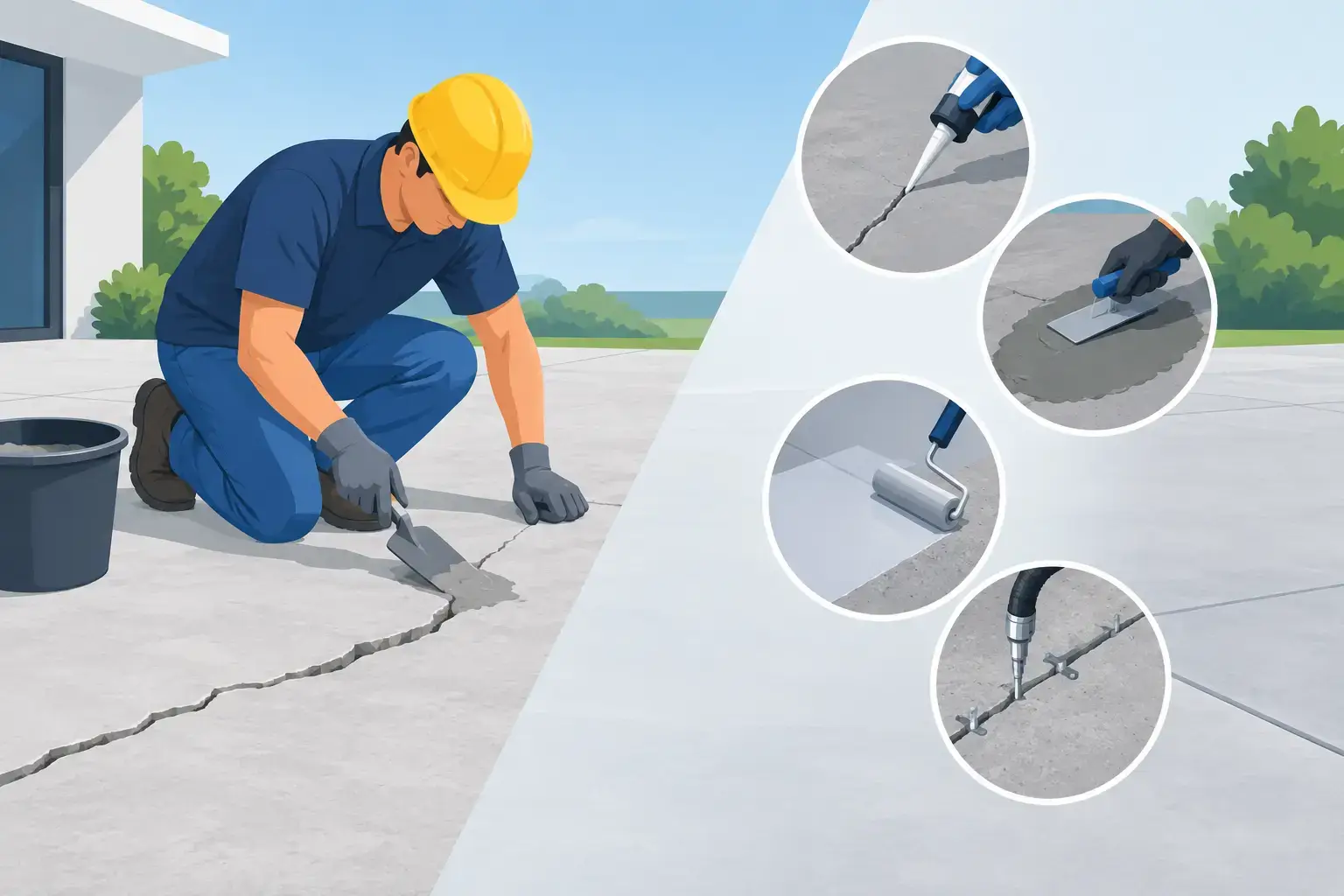
Best Concrete Slab Repair Methods That Last
November 23, 2026 1:50 am
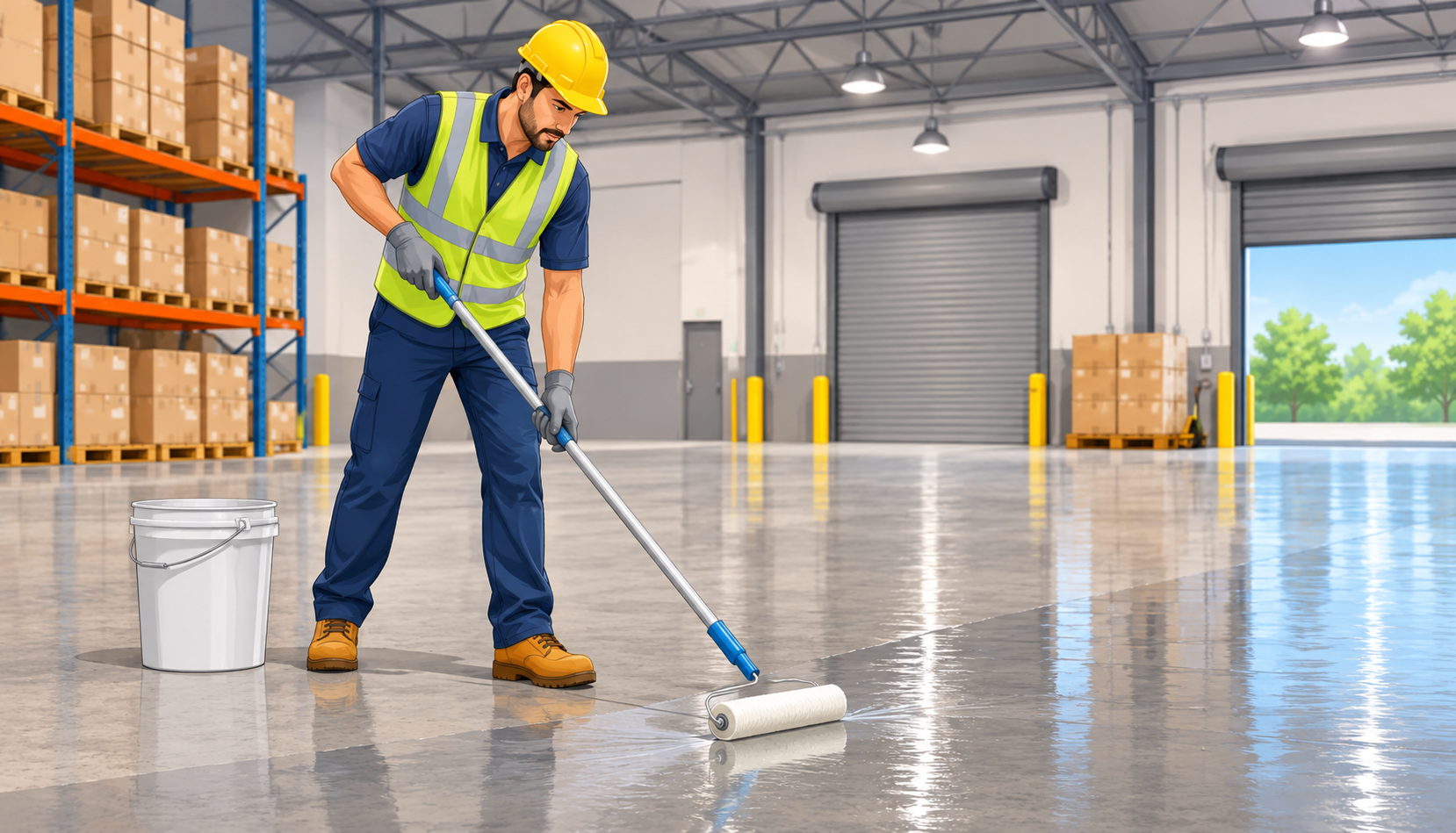
Penetrating vs. Topical Concrete Sealers: Which Is Right for Your Floor?
November 22, 2026 8:11 pm
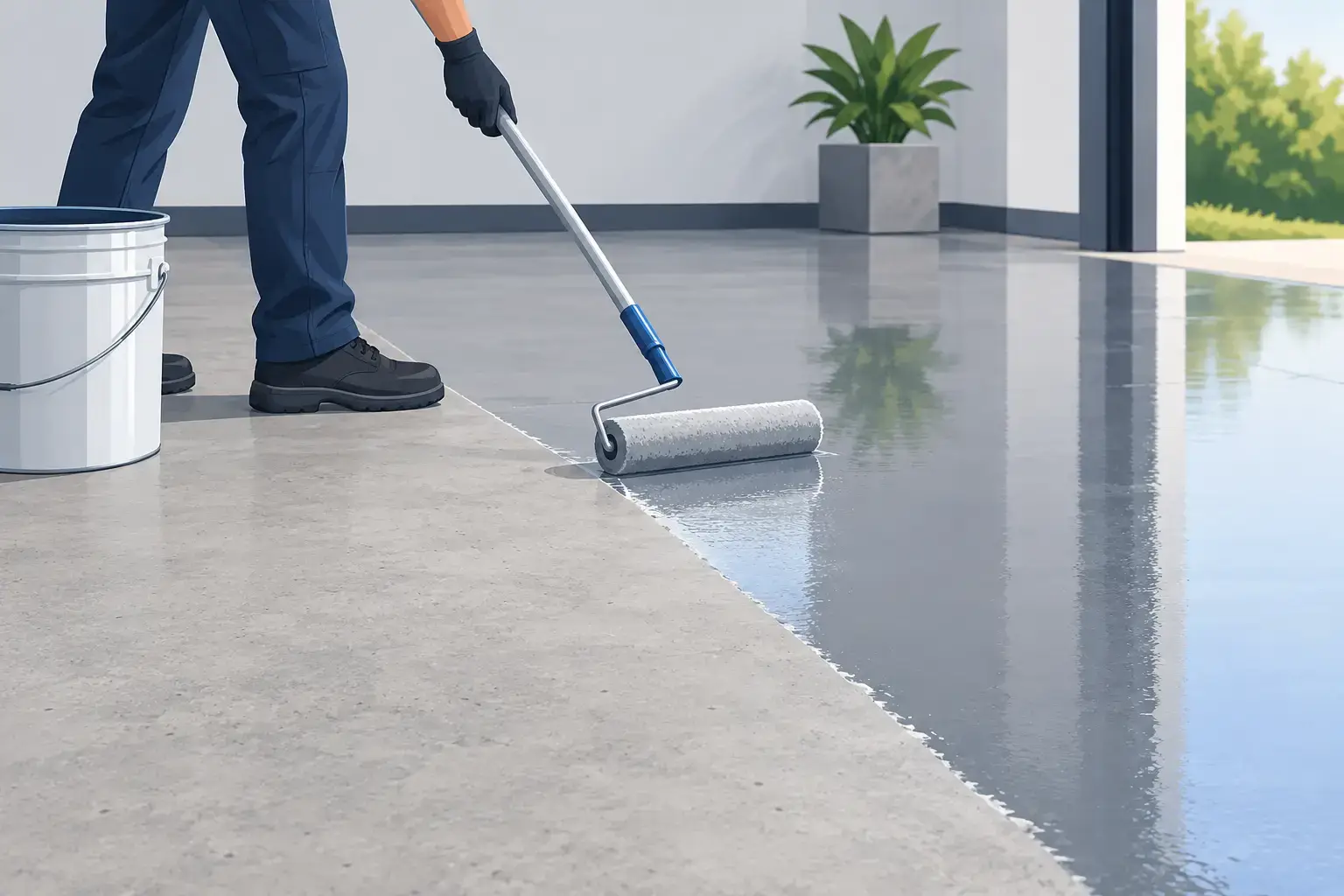
How to Seal Concrete Floors for Lasting Protection
November 21, 2026 1:44 am