
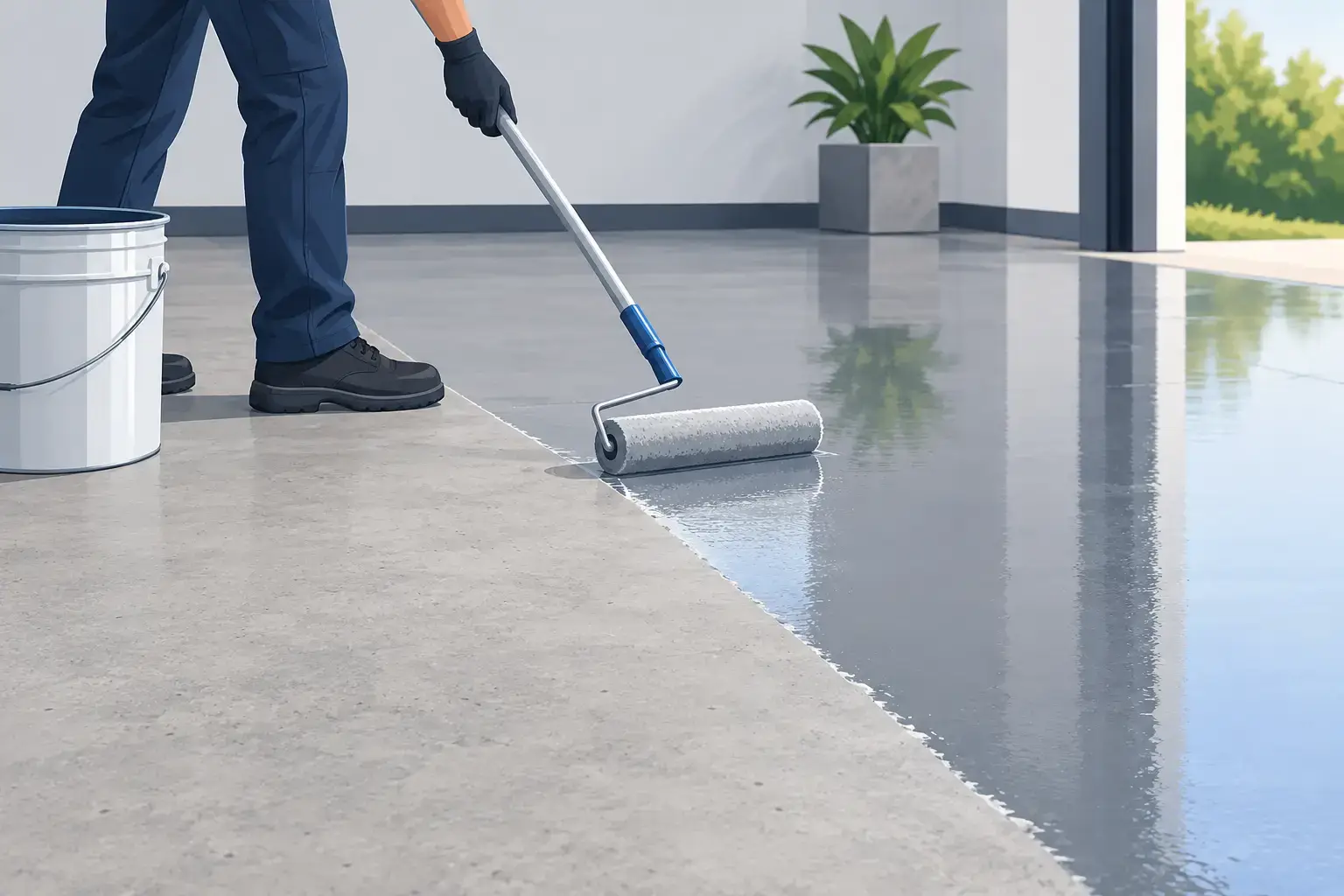
How to Seal Concrete Floors for Lasting Protection
A concrete floor can look solid and still be vulnerable. Bare concrete absorbs water, oil, chemicals, and tire residue through its pores, which leads to stains, dusting, and difficult cleanup. Knowing how to seal concrete floors starts with treating surface preparation as seriously as the sealer itself. A quality coating or penetrating sealer can protect a garage, retail floor, warehouse, office, or patio, but only when the concrete is clean, dry, and ready to accept it.
Start by Choosing the Right Sealer
Not every sealer is built for the same environment. The right product depends on whether the floor is indoors or outdoors, how much traffic it receives, and what it may come into contact with during normal use.
Penetrating sealers soak into the concrete and create protection below the surface. They are a practical choice for exterior concrete, driveways, walkways, and utility areas where you want water resistance without a visible film. They generally preserve the natural look of the slab and will not create a glossy finish.
Topical sealers form a protective layer on top of the concrete. Acrylic sealers are often used when cost and a faster application are priorities. They can add color enhancement or a light sheen, but they may need more frequent maintenance in high-traffic areas.
For garages, commercial spaces, workshops, and facilities exposed to oils or cleaning chemicals, epoxy and urethane systems provide a much stronger finish. Epoxy offers excellent build, color options, and chemical resistance. Urethane topcoats add abrasion resistance and better protection against UV exposure, which matters near open doors, storefront windows, and exterior-adjacent areas.
There is a trade-off: higher-performance systems demand better prep and more controlled application conditions. A quick coat of clear sealer may suit a low-use residential slab. A busy warehouse aisle or commercial kitchen needs a system designed for traffic, spills, and routine cleaning.
Check the Concrete Before You Seal It
Concrete must be fully cured before most sealers are applied. New slabs typically need around 28 days to cure, although the specific product instructions should always control. Sealing too early can trap moisture and lead to whitening, poor bonding, or peeling.
Then inspect the floor closely. Look for cracks, flaking, soft spots, old coating failure, paint, curing compounds, adhesive residue, grease, and tire marks. Sealers do not repair damaged concrete or hide contamination. In fact, sealing over those issues can make the final result fail faster.
Moisture is another major concern, especially in ground-level garages, warehouses, and older buildings. If vapor is moving up through the slab, a film-forming sealer may blister or delaminate. Professional moisture testing is the most reliable way to evaluate a floor before installing an epoxy or other coating system. A simple plastic-sheet test can point to a problem, but it is not a substitute for proper testing on a larger commercial project.
How to Seal Concrete Floors: Surface Preparation
Preparation determines how well the sealer bonds. Sweeping and mopping alone are not enough for a floor that has seen vehicle traffic, construction activity, food service, manufacturing, or regular foot traffic.
Start by removing everything from the work area and thoroughly vacuuming the slab. Use a commercial degreaser where oil, grease, or automotive fluids are present. Scrub stubborn spots, rinse as needed, and allow the floor to dry completely. Any cleaner left behind can interfere with adhesion, so rinsing is not optional.
Next, remove failed coatings, surface contaminants, and weak concrete. For small residential jobs, mechanical abrasion may involve a hand grinder with the proper diamond tooling. For larger spaces, professional concrete grinding or shot blasting creates an even surface profile that allows the sealer or coating to anchor correctly.
Acid etching is sometimes used on clean, sound concrete, but it is not the best answer for every floor. It can be inconsistent, requires careful neutralization and cleanup, and does not remove heavy contamination or old coatings. Mechanical preparation is generally more predictable for epoxy, urethane, and high-performance commercial systems.
Cracks and joints should also be addressed before sealing. Hairline cracks may remain visible beneath clear sealers, which is normal. Wider cracks, spalls, and damaged joints may need repair with a compatible filler or patch material. The repair must cure and be prepared according to the coating system requirements, or it can become the weak point in the finished floor.
Apply the Sealer at the Right Time
Once the surface is clean, profiled, repaired, and dry, application becomes much more straightforward. Read the manufacturer’s coverage rate, recoat window, temperature range, and cure time before opening the product. Applying too heavily is one of the most common mistakes. Thick coats can trap solvent or moisture, dry unevenly, and leave roller marks, bubbles, or a soft finish.
For most clear topical sealers, cut in edges with a brush and apply the field with a lint-free roller suited to the product. Maintain a wet edge so overlaps do not show. Work in manageable sections, especially in warm Orange County conditions where some materials can flash off quickly.
Epoxy systems usually involve mixing a resin and hardener at an exact ratio. Once mixed, the material has a limited working time. Mix only what can be installed within that window, use a roller or squeegee as specified, and back-roll for even coverage. If decorative flakes, quartz, or anti-slip aggregate are part of the system, they must be broadcast at the correct stage of application.
A second coat may improve appearance and protection, but it should only be applied within the product’s stated recoat window. If that window is missed, the first coat may need to be lightly sanded or screened to create mechanical adhesion for the next layer.
Add Traction Where It Matters
A glossy sealed floor is easier to clean, but it can become slippery when wet. This is especially relevant for garage entrances, restaurant back-of-house areas, pool-adjacent spaces, loading areas, and facilities where water or oils may reach the floor.
Fine anti-slip aggregate can be mixed into a topcoat or broadcast into the coating system. The goal is to add grip without creating a surface that is difficult to mop. The right level depends on how the space is used. A residential showroom floor may need only light texture, while a commercial service area may need a more aggressive traction profile.
Protect the Floor While It Cures
Dry to the touch does not mean ready for traffic. A sealed floor may accept light foot traffic within hours or a day, while vehicles, pallets, equipment, or chemical exposure may need to wait several days. Temperature, humidity, airflow, and product chemistry all affect curing.
Keep the area clean during this period. Do not drag furniture, roll toolboxes, park vehicles, or wash the floor before the coating has reached its recommended cure. Early damage often looks like a product failure, but it is frequently a scheduling issue.
After curing, maintain the floor with routine sweeping and damp mopping using a neutral cleaner. Avoid harsh degreasers, abrasive pads, and cleaners that leave a heavy residue unless the coating manufacturer approves them. Wipe spills promptly, particularly oils, battery fluids, solvents, and acidic products. Even chemical-resistant systems perform better when spills are not left sitting.
When Professional Sealing Is the Better Call
A simple penetrating sealer on a clean patio can be a manageable do-it-yourself project. The risk rises when the floor has moisture concerns, existing coatings, heavy oil contamination, visible damage, or a performance requirement beyond basic stain resistance.
Commercial and industrial floors also require planning around operations. A retail store may need off-hours work. A warehouse may need phased installation so access remains open. A garage coating needs the correct surface profile to avoid hot-tire pickup. These are not details to guess at after the material is on the floor.
Orange County Concrete Polishing evaluates the concrete, expected traffic, chemical exposure, appearance goals, and scheduling needs before recommending a sealing, polishing, epoxy, or resurfacing solution. A site-specific proposal helps prevent paying for a finish that looks good on day one but is not built for the environment.
The best sealed floor is not necessarily the shiniest one. It is the one prepared for the work, traffic, cleaning routine, and exposure it will handle every day. If you are planning a garage upgrade or need a durable finish for an active commercial space, start with an in-person assessment and choose a system that fits the slab rather than forcing the slab to fit the product.
Recent Post
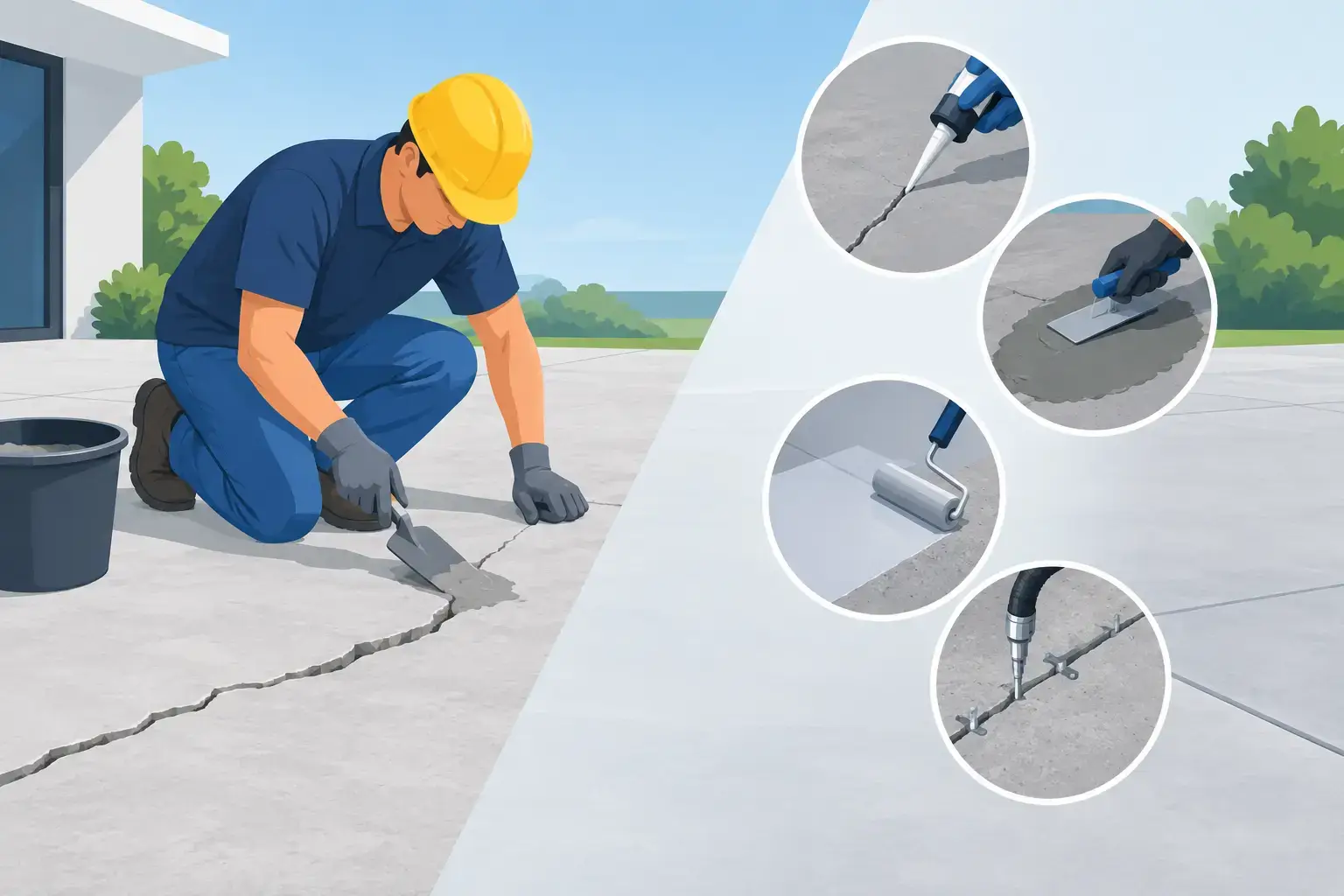
Best Concrete Slab Repair Methods That Last
November 23, 2026 1:50 am
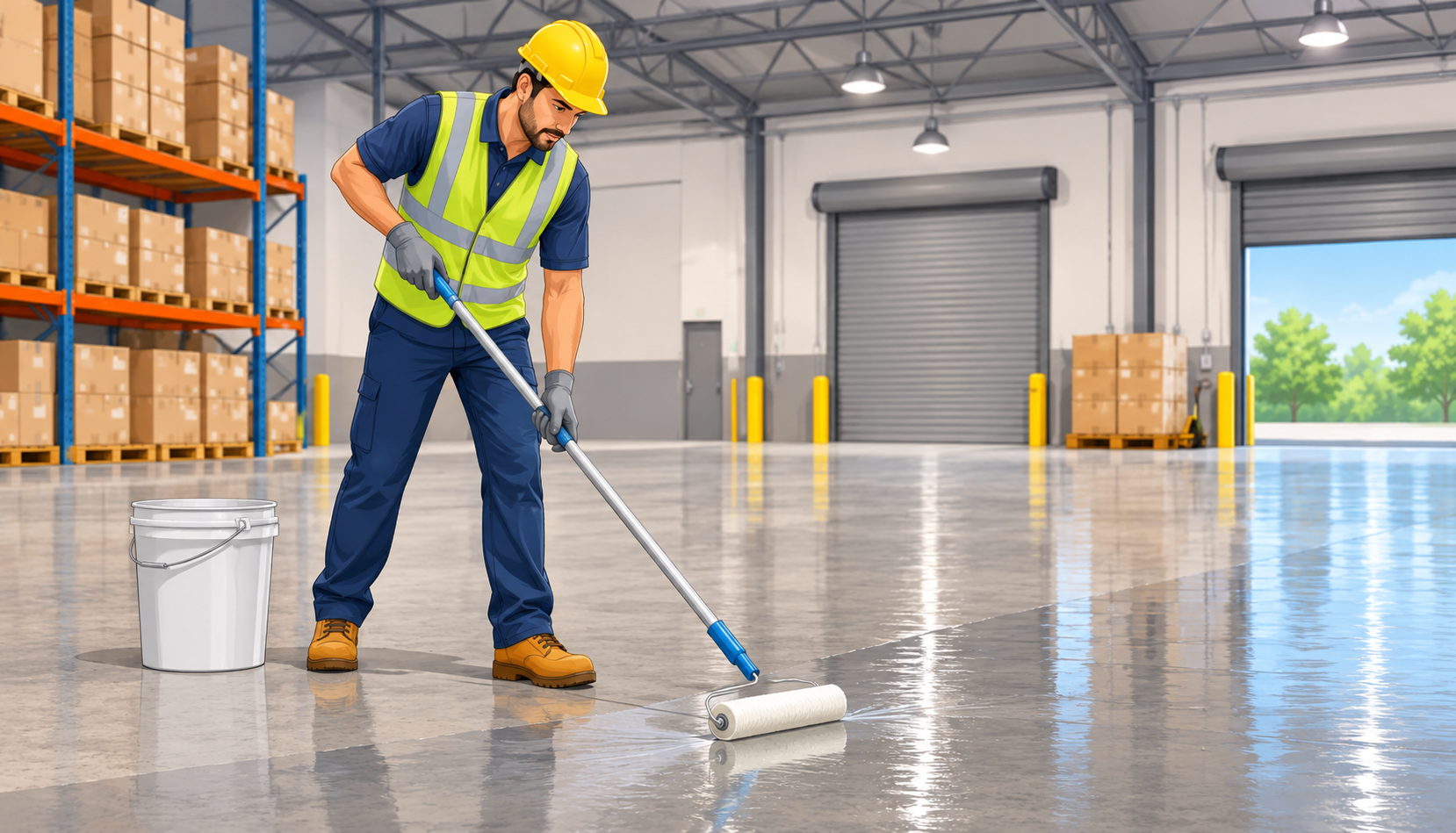
Penetrating vs. Topical Concrete Sealers: Which Is Right for Your Floor?
November 22, 2026 8:11 pm
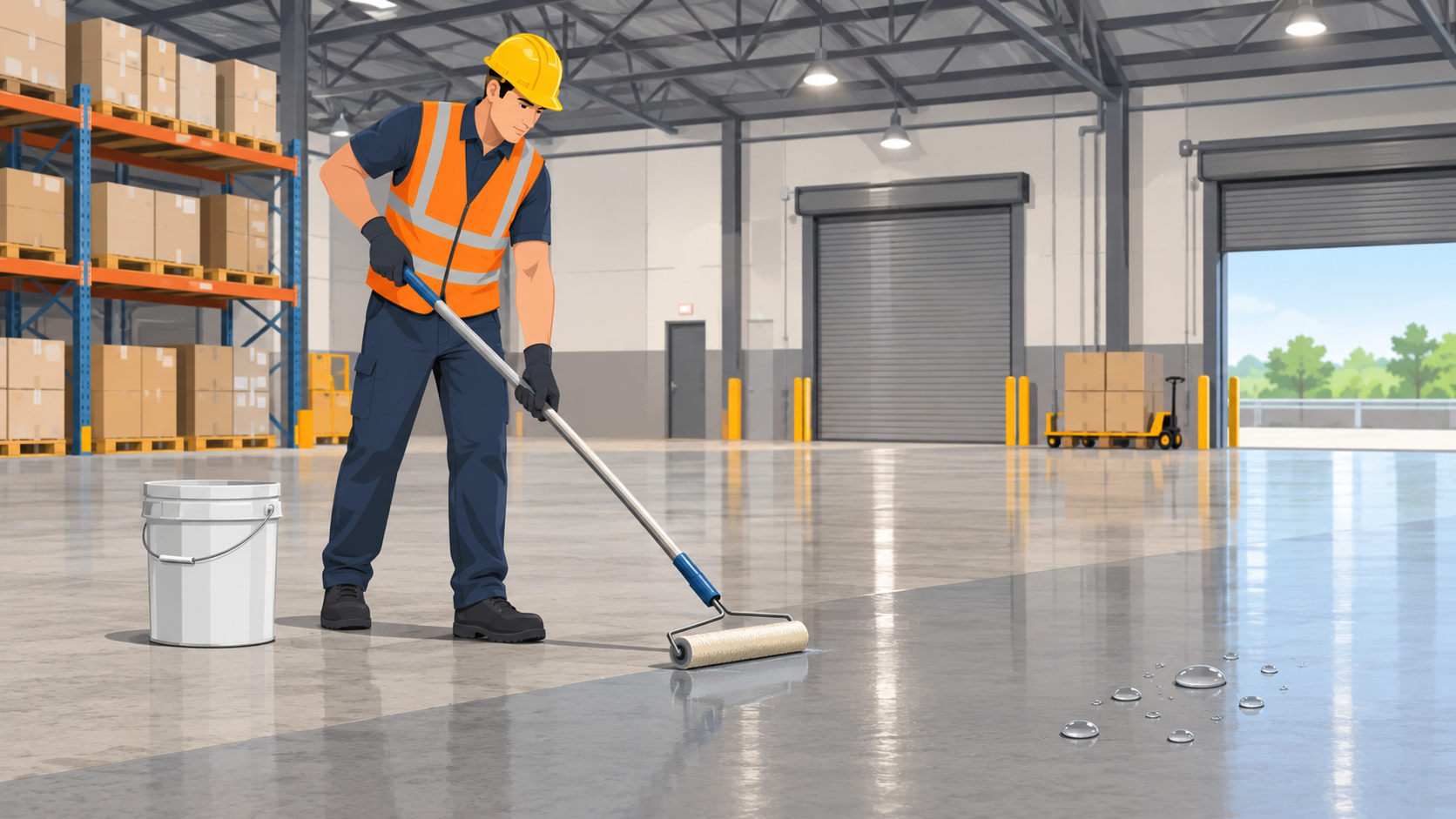
Concrete Sealing: Benefits, Applications, and When Your Floor Needs It
November 19, 2026 7:02 pm