
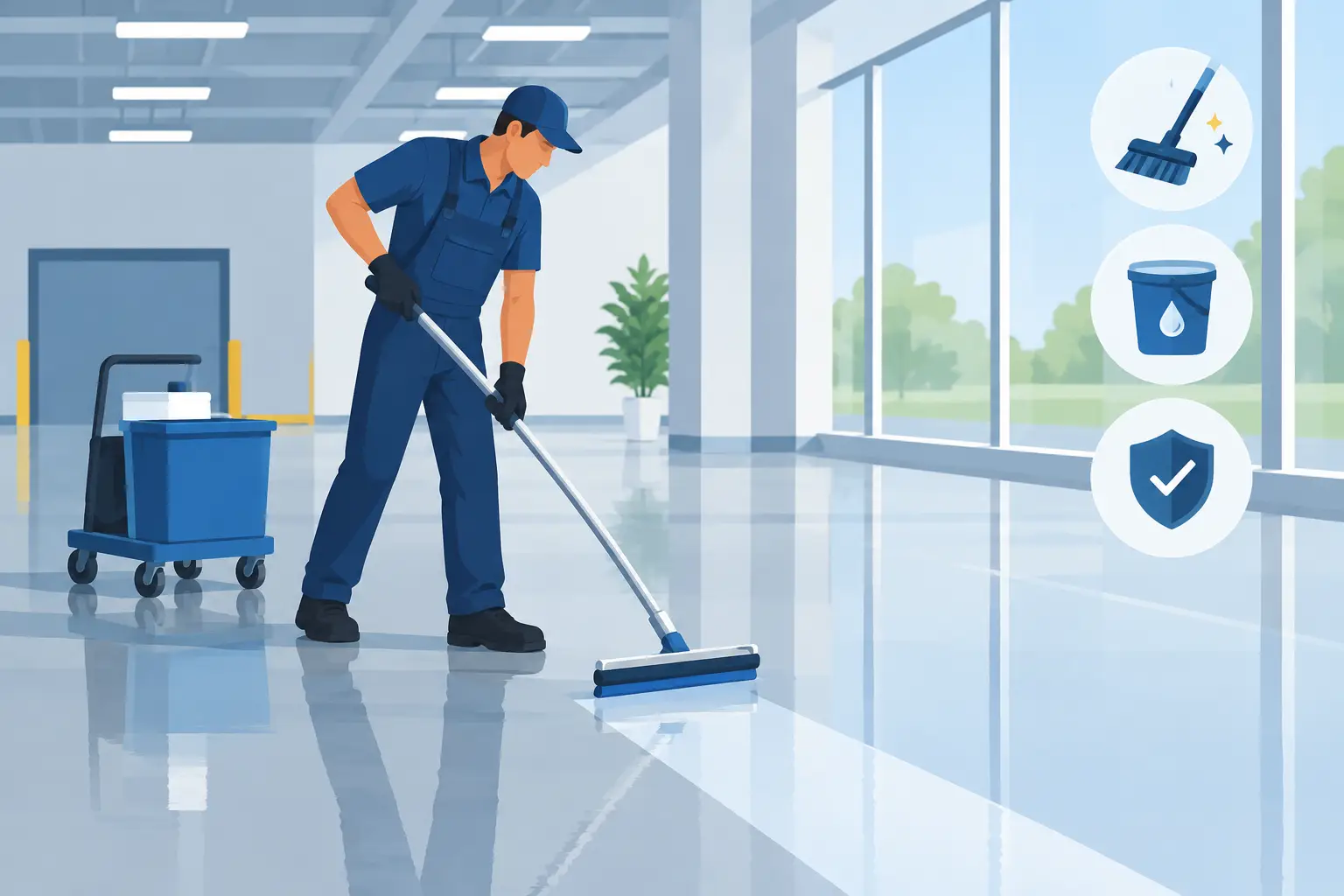
Commercial Floor Coating Maintenance That Works
A commercial floor rarely fails all at once. It starts with tire marks at the loading door, dull traffic lanes near the register, a sticky residue around a work station, or water finding its way beneath a chipped edge. Commercial floor coating maintenance is what keeps those small issues from becoming a shutdown, a safety concern, or an expensive recoating project.
For Orange County facilities, the right maintenance plan has to match the actual work happening on the floor. A retail showroom, restaurant kitchen, warehouse aisle, airplane hangar, and office lobby may all have coated concrete, but they do not face the same traffic, cleaners, moisture, or chemical exposure. The goal is not to over-clean the floor. It is to clean it correctly, inspect it consistently, and address damage before the slab or coating system is compromised.
Why Commercial Floor Coating Maintenance Protects Your Investment
Epoxy, urethane, polyaspartic, and other resinous coating systems are designed to create a durable protective layer over concrete. That layer can resist abrasion, chemicals, stains, and moisture better than bare concrete, but it still has limits. Dragging sharp equipment, allowing chemicals to sit for hours, or using the wrong degreaser can wear down even a high-performance system.
Maintenance also protects the finish that customers and employees see every day. A clean glossy floor makes a retail space, showroom, or lobby look organized. In a warehouse or industrial setting, a properly maintained coating helps preserve visible striping, improves housekeeping, and makes leaks easier to identify. Where slip resistance is part of the system, regular cleaning keeps textured surfaces from becoming packed with grease or debris.
The cost difference is substantial. Routine cleaning and targeted touch-ups are typically far less disruptive than repairing widespread coating failure. More importantly, early maintenance lets facility managers plan work around operations instead of reacting after a coating has peeled, become slippery, or developed moisture-related damage.
Start With the Coating System You Have
There is no single maintenance product that works for every commercial floor. Before selecting cleaners or setting a schedule, identify the coating type, finish, and conditions of use. If installation records are available, keep them with your facility maintenance documents. They can confirm whether the floor has an epoxy base coat, urethane topcoat, broadcast aggregate, metallic finish, or another specialized system.
A smooth decorative epoxy floor in an office may need gentle daily dust removal and periodic damp mopping. A textured commercial kitchen floor needs more frequent degreasing and careful rinse procedures. A warehouse coating may handle forklift traffic well but still need protection from repeated pallet dragging, steel-wheeled carts, and battery acid.
The floor’s age matters, too. A newly installed coating must fully cure before it is exposed to heavy traffic, wet cleaning, or chemicals. Pushing a floor into service too early can leave marks or reduce long-term performance. When in doubt, follow the coating manufacturer’s cure schedule and the installer’s recommendations instead of guessing based on how dry the surface feels.
Build a Cleaning Schedule Around Traffic
The best cleaning schedule is based on contamination and traffic patterns, not a calendar that looks good on paper. High-traffic entryways and work zones may need attention every day, while low-use storage areas may only need periodic cleaning and inspection.
Daily and weekly care
Dry debris is more abrasive than it looks. Sand, metal shavings, gravel, and tracked-in grit can act like sandpaper under foot traffic and forklift wheels. Sweep, dust mop, or use a soft-bristle mechanical scrubber in active areas before debris has a chance to grind into the finish.
For regular wet cleaning, use a pH-neutral cleaner formulated for coated floors and clean water. Apply only enough solution to lift soil, then remove the dirty solution rather than spreading it around. Auto scrubbers can be effective in large facilities, provided the pads are non-abrasive and the machine is not leaving excess water behind.
Avoid household cleaners that leave a glossy film, strongly acidic products, and aggressive alkaline degreasers unless they are approved for the specific coating. A product can make a floor look clean at first while leaving residue that attracts dirt or reduces traction over time.
Monthly and quarterly attention
At least once a month, look beyond surface dirt. Check traffic lanes, loading areas, corners, drain edges, door thresholds, and places where equipment turns or stops. These are common locations for wear because wheels place concentrated force on the coating.
Quarterly inspections should also include expansion joints, cracks, cove bases, and any areas exposed to moisture. A coating can be in good condition across most of the floor while a small failure near a joint allows moisture or contaminants to reach the concrete below. That is the point where a simple repair can prevent a larger problem.
Remove Spills Before They Become Repairs
Commercial coatings provide valuable chemical resistance, but chemical resistance is not the same as chemical proof. The longer a spill remains on the floor, the more likely it is to discolor, soften, stain, or compromise the topcoat.
Train employees to report spills and give them a clear response procedure. For most facilities, that means containing the spill, removing it with the appropriate absorbent material, cleaning the area with a compatible solution, and rinsing if required. Do not let staff use whatever cleaner happens to be closest.
Pay special attention to oils, hydraulic fluids, food acids, solvents, battery electrolyte, bleach, and concentrated cleaning chemicals. The correct response depends on the material and the coating system. A restaurant may need regular degreasing, while an industrial facility may need spill kits suited to oils or chemical products used on site.
If a spill has left discoloration, a soft spot, bubbling, or loss of gloss, document the area and have it evaluated. Repeated exposure often shows up first as cosmetic change, but it can eventually affect adhesion.
Prevent Damage From Equipment and Operations
Many coating problems are operational issues rather than installation issues. A durable floor system still needs reasonable protection from hard impacts, heavy point loads, and abrasive movement.
Use floor protection under stationary machinery, welding areas, metal fabrication tables, and battery charging stations when appropriate. Add mats at exterior entries to limit sand and water tracked indoors. At loading docks, make sure dock plates, carts, and pallet jacks are not repeatedly striking the same coating edge.
Watch for these common damage sources:
- Forklifts turning tightly in one location, especially with worn tires or heavy loads
- Pallets, metal racks, and equipment legs dragged across the surface
- Hot tires from vehicles parked immediately after highway driving
- Water intrusion at doors, drains, cracks, or failed sealant joints
- Improperly diluted cleaners and degreasers left on the floor too long
Some wear is normal in an active commercial environment. The key is distinguishing normal surface scuffing from damage that exposes concrete or allows the coating to lift. A qualified flooring contractor can help determine whether a worn area needs cleaning, recoating, joint repair, or localized patching.
Address Small Coating Failures Quickly
Do not wait for a small chip to become a large peel. Once concrete is exposed, it can absorb moisture, oils, and contaminants that make later repairs more complicated. Small damaged areas can often be prepared, patched, and blended into the surrounding system when handled promptly.
The repair process usually requires more than brushing on new material. The failed coating must be removed to a sound edge, the concrete must be properly cleaned and mechanically prepared, and the repair material must be compatible with the existing system. Skipping preparation is one of the fastest ways to create a repair that fails again.
Moisture issues deserve extra attention. If blistering, widespread peeling, or white mineral deposits appear, the problem may be coming from below the coating rather than from surface abuse. In that case, recoating without diagnosing the moisture source may only repeat the failure. Concrete moisture testing and surface preparation are essential before major repair work begins.
When a Recoat Makes More Sense Than Constant Repairs
A recoat is not always a sign that the original floor failed. In a busy retail, warehouse, or production environment, protective topcoats eventually wear down. Recoating can restore gloss, color, chemical resistance, and cleanability without requiring a complete demolition of the existing system.
The right timing depends on the floor’s condition. If the coating is still well bonded and damage is mostly limited to surface wear, a screen-and-recoat approach may be efficient. If there is widespread delamination, contamination, slab moisture, or extensive cracking, the project may require more substantial grinding, repairs, and a new system.
Scheduling matters as much as the material choice. Orange County Concrete Polishing can assess the floor in person and recommend a maintenance repair or recoat plan that fits your traffic demands and operating hours. Off-hours scheduling can reduce disruption when a facility cannot afford extended downtime.
A commercial floor should support the way your business runs, not become another item on the emergency repair list. Put a practical cleaning routine in place, inspect high-wear areas regularly, and call for an evaluation when small changes start showing up. Acting early keeps your floor safer, cleaner, and ready for the work ahead.
Recent Post
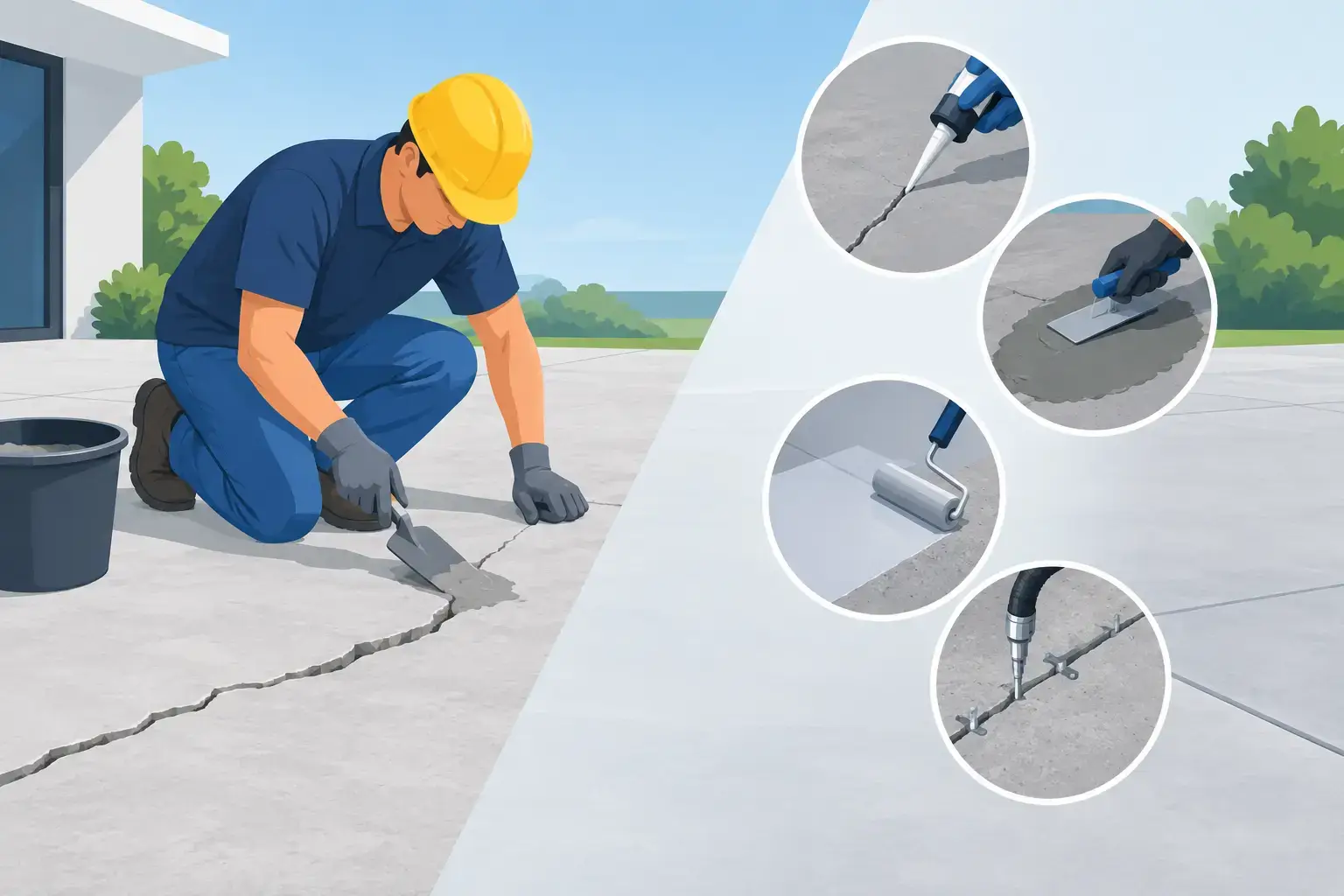
Best Concrete Slab Repair Methods That Last
November 23, 2026 1:50 am
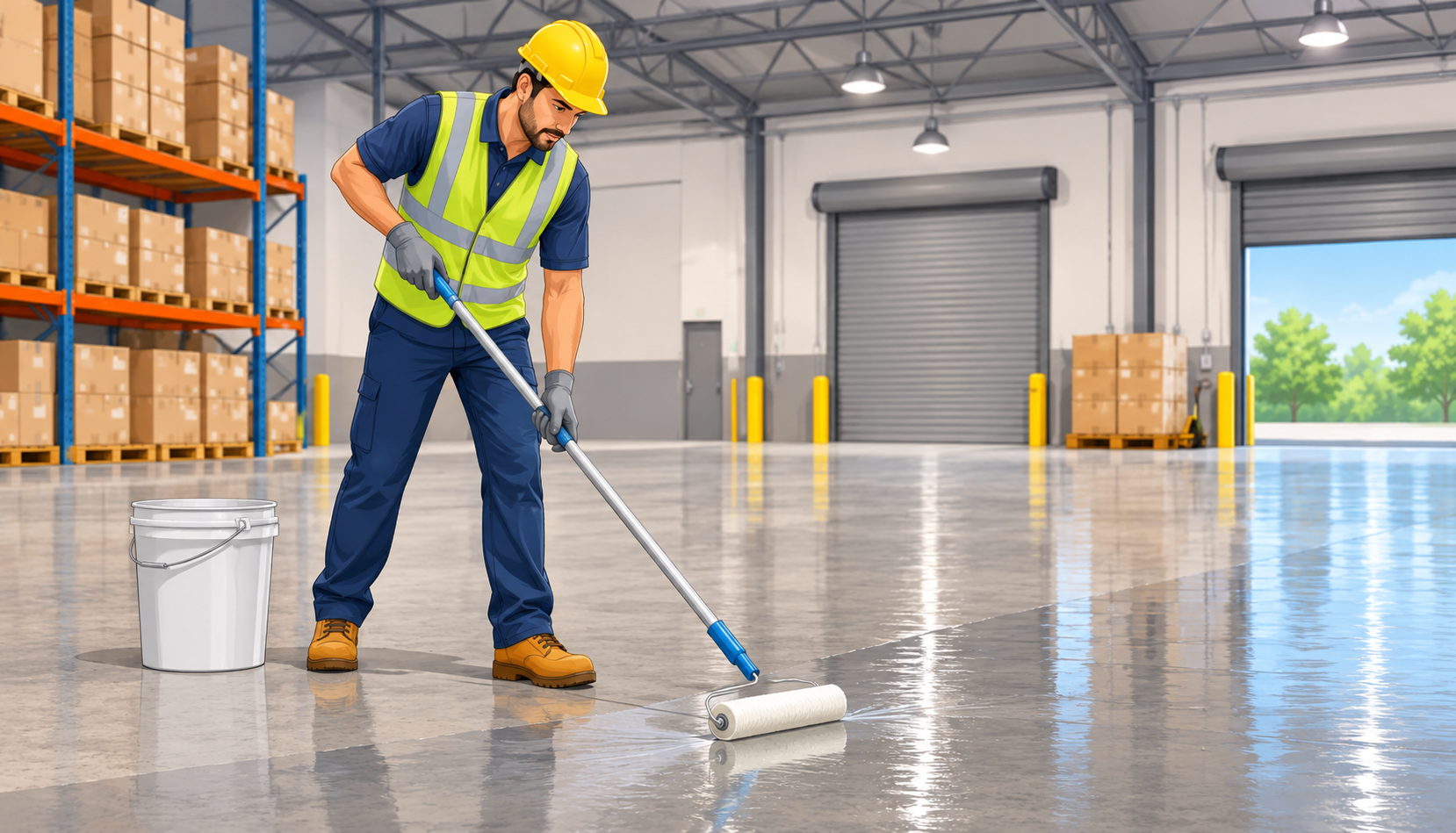
Penetrating vs. Topical Concrete Sealers: Which Is Right for Your Floor?
November 22, 2026 8:11 pm
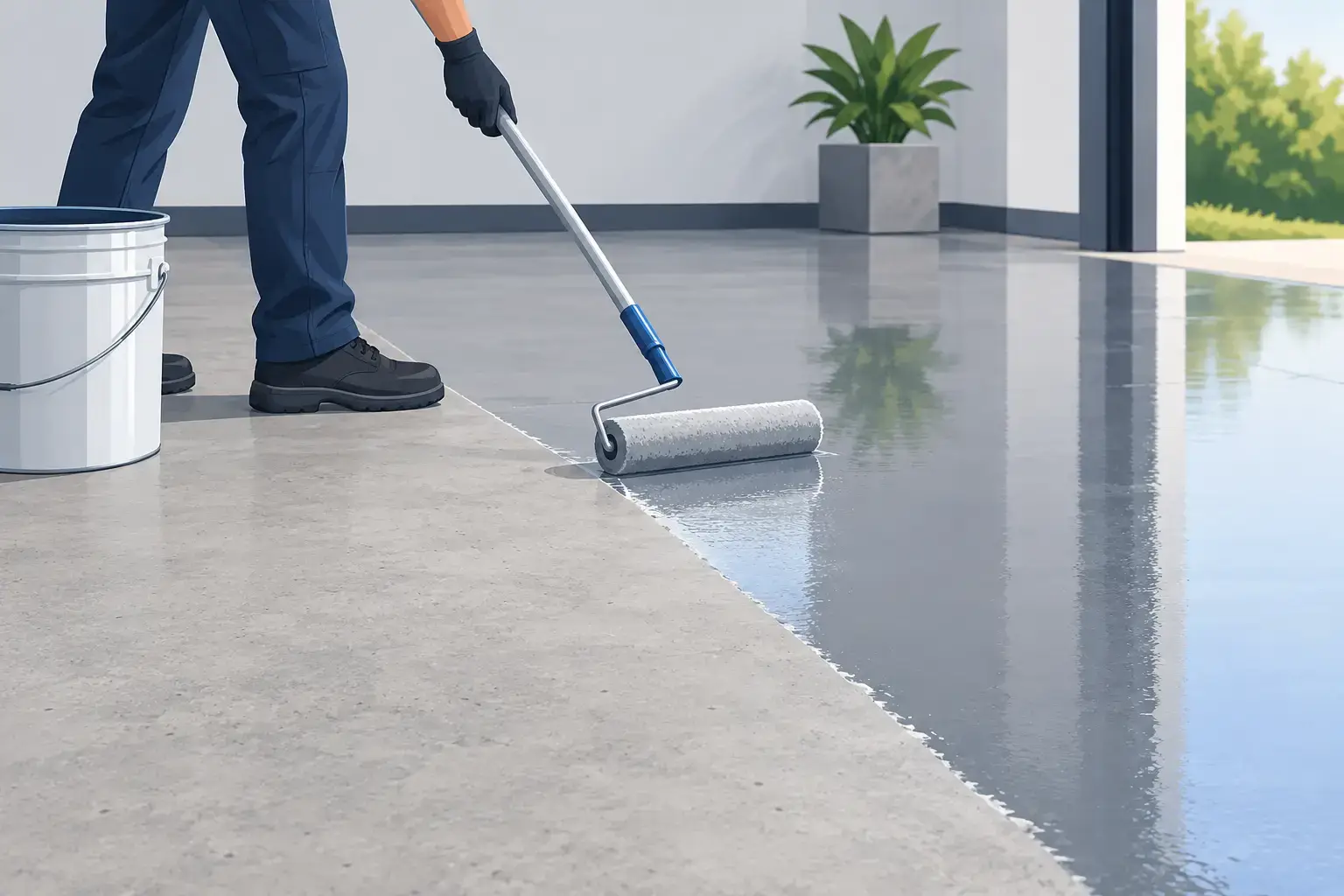
How to Seal Concrete Floors for Lasting Protection
November 21, 2026 1:44 am