
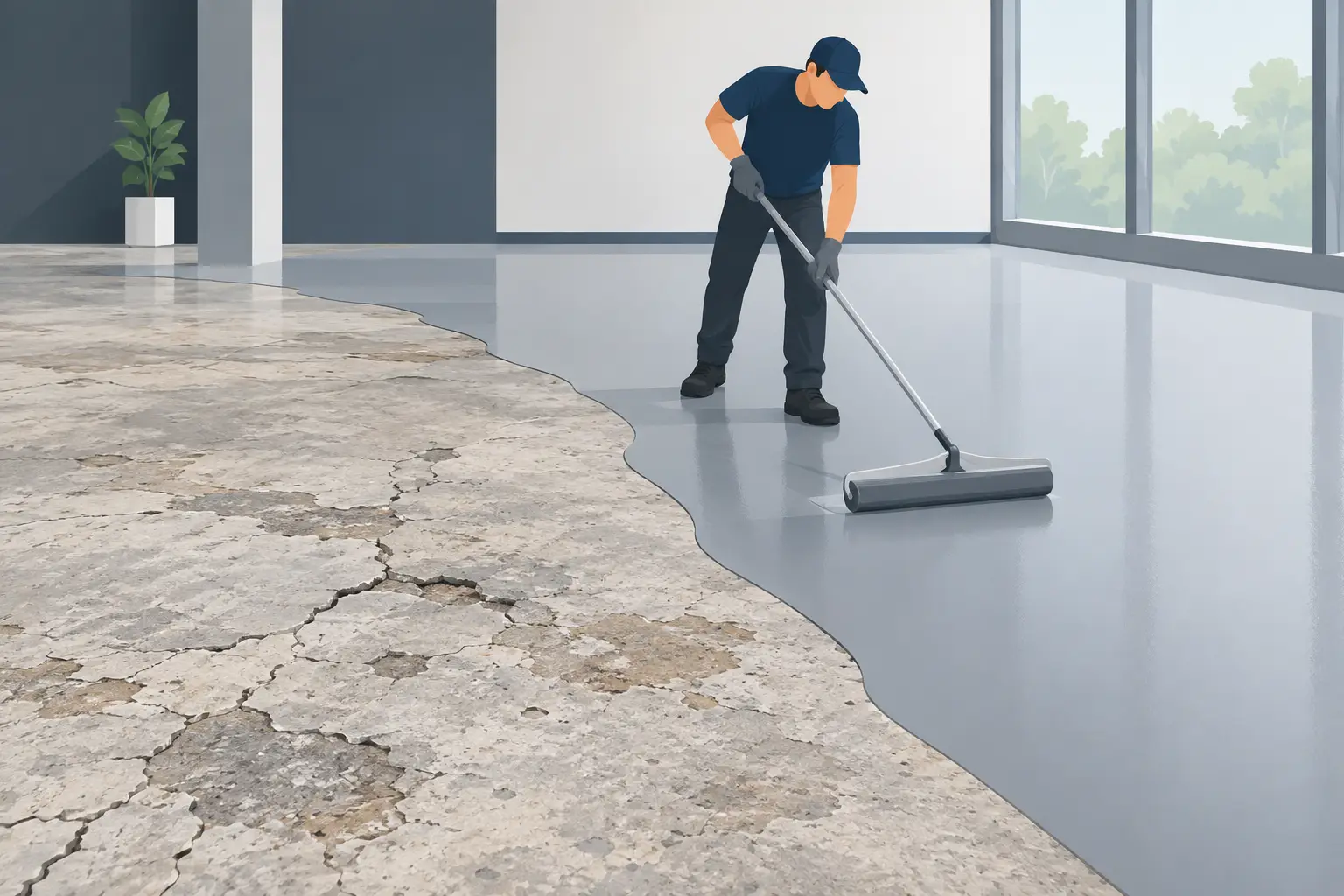
Concrete Overlays for Worn and Damaged Floors
A stained, spalled, uneven, or heavily patched slab does not always need to be removed. Concrete overlays give Orange County property owners a practical way to rebuild the surface, correct visible damage, and create a finished floor designed for the way the space is actually used. The right overlay can turn a tired garage, retail entry, warehouse aisle, or office floor into a cleaner, tougher surface without the cost and disruption of a full slab replacement.
The key is treating an overlay as a flooring system, not a quick cosmetic cover-up. Surface preparation, moisture conditions, crack repair, material selection, and finish all affect how well the new surface performs. A quality installation starts with an in-person evaluation of the existing concrete and a clear plan for traffic, exposure, and appearance.
What Is a Concrete Overlay?
A concrete overlay is a cement-based material applied over an existing concrete slab to restore, level, protect, or change its appearance. Depending on the condition of the floor and the desired result, the material may be applied as a thin resurfacing layer or as a thicker system built to correct more significant elevation issues.
Overlays are commonly used when the base slab is structurally sound but the top surface has deteriorated. This can include minor scaling, surface pitting, old coating residue, discoloration, worn traffic paths, and repairs that leave the floor looking patched together. They can also be used to establish a more consistent surface before decorative staining, dyes, polishing, epoxy coatings, or other finish systems.
An overlay will not solve every concrete problem. If the slab has active movement, major settlement, severe moisture pressure, or structural failure, those issues need to be addressed first. A contractor should inspect the floor before recommending a system. Putting a new finish over an unstable slab only delays the repair and adds unnecessary cost.
When Concrete Overlays Make Sense
For many residential and commercial projects, an overlay is the right middle ground between leaving a damaged floor as-is and tearing out the entire slab. It is especially useful where a floor needs a better appearance and better day-to-day performance, but demolition would interrupt operations or exceed the budget.
In a residential garage, an overlay can cover years of tire wear, oil staining, patchwork, and surface flaking before a protective coating or decorative finish is installed. In an office or retail space, it can create a clean, uniform foundation for a modern concrete look. In warehouses, work areas, and airplane hangars, a properly specified system can restore damaged sections while supporting the demands of equipment traffic and regular cleaning.
Parking structures and exterior-adjacent areas require additional attention. These spaces can face water intrusion, temperature changes, vehicle traffic, and deicing chemicals. The material and protective topcoat must be selected for the exposure, not simply for appearance.
The Condition of the Existing Slab Comes First
A successful overlay is only as good as the concrete below it. Before work begins, the floor needs to be evaluated for bond-breaking contaminants, weak concrete, cracks, moisture, prior coatings, and elevation changes. This is why an in-person estimate matters. Photos can show obvious damage, but they do not reveal the full condition of the surface.
Mechanical surface preparation is usually the first major step. Grinding or shot blasting removes weak material, opens the concrete profile, and gives the overlay a clean surface to bond to. Adhesives, mastic, paint, curing compounds, and old coatings must be removed rather than covered.
Cracks also need an honest assessment. Hairline cracks may be repaired and blended into the system, but cracks caused by ongoing slab movement can reappear over time. Control joints and expansion joints should not simply be filled over and forgotten. They are part of how the slab moves, and the finish plan needs to accommodate them.
Moisture is another deciding factor. Concrete can look dry on the surface while still transmitting moisture vapor from below. In some settings, moisture mitigation or a compatible coating system may be necessary. Skipping this step can lead to debonding, discoloration, or premature failure.
Choosing the Right Overlay System
There is no one overlay material that fits every job. The correct system depends on the slab condition, the thickness needed, traffic levels, exposure to chemicals or water, and the final appearance the customer wants.
A thin microtopping can create a refined, contemporary finish over a relatively smooth slab. It is often chosen for interiors, showrooms, retail spaces, and residential areas where appearance carries as much weight as durability. It does not replace a leveling system when the floor has major low spots or extensive damage.
A self-leveling overlay is a stronger option when the goal is to correct uneven areas and produce a flat, consistent plane. This can be valuable in offices, tenant improvements, commercial kitchens, retail build-outs, and spaces receiving another floor finish. Floor flatness requirements should be discussed early, particularly where shelving, equipment, or rolling traffic is involved.
A heavier-duty resurfacing overlay may be the better choice for garages, warehouses, industrial work areas, and loading zones with damaged concrete and higher wear. These systems can be paired with epoxy or urethane coatings for added chemical resistance, abrasion protection, and easier maintenance.
Decorative options are also available. Depending on the system, overlays can be colored, stained, dyed, troweled for texture, or finished with a clean polished appearance. The design should match the use of the space. A dramatic decorative finish may be ideal for a lobby, but a warehouse may benefit more from a practical, light-reflective surface that makes cleanup and inspections easier.
Benefits That Matter in Daily Use
The best overlay projects solve an operational problem, not just an appearance problem. A properly installed system can reduce dusting from deteriorating concrete, simplify cleaning, improve light reflectivity, and create a more professional environment for customers and employees.
For commercial and industrial clients, durability and downtime are usually the biggest concerns. The right overlay and topcoat can stand up to foot traffic, carts, pallet jacks, vehicle tires, cleaning equipment, and selected chemical exposure. Cure times vary by product and conditions, so scheduling needs to be part of the proposal. Off-hours installation can help businesses limit interruptions and reopen areas on a planned timeline.
For homeowners, the value is often a cleaner, more finished garage or interior concrete surface that does not look like an afterthought. A well-prepared overlay can provide the foundation for a floor that is easier to maintain than bare, damaged concrete and better aligned with the rest of the property.
Traction should also be considered. Smooth finishes may be easier to clean, but wet areas, ramps, entries, service zones, and outdoor-adjacent spaces may need a texture or additive to improve slip resistance. There is always a trade-off: more texture can improve traction, while smoother surfaces generally clean more easily.
What to Expect During Installation
The process begins with evaluating the slab, measuring the space, identifying repair needs, and defining the desired finish. From there, the contractor can recommend the right preparation method, overlay type, coating or sealer, and schedule.
Installation typically includes surface preparation, crack and joint treatment, material placement, curing, and final finishing. Some projects also require grinding between coats, applying color, or installing a protective topcoat. The exact sequence depends on the system, and shortcuts at the preparation stage are where many overlay failures begin.
Property owners should plan for access restrictions while the floor is being prepared and cured. Garages may need to be emptied. Commercial areas may need equipment moved or traffic rerouted. Clear coordination before work starts prevents delays and protects the finished surface during its early cure period.
Protecting Your Investment After the Work Is Done
Concrete overlays are low-maintenance, not no-maintenance. Regular sweeping and cleaning with products appropriate for the finish will keep abrasive dirt from wearing the surface prematurely. Spills, especially oils and chemicals, should be cleaned promptly. In commercial settings, maintenance teams should avoid harsh cleaners or pads that can dull or damage a protective topcoat.
A contractor can recommend a maintenance plan based on the installed system. Some floors may eventually benefit from resealing or recoating in high-traffic lanes, while others need only routine cleaning for years. Addressing small chips or joint issues early is less expensive than waiting for damage to spread.
If your concrete is worn but the slab still has a future, a professionally installed overlay can be the practical next step. Orange County Concrete Polishing can evaluate the floor in person, explain the realistic options, and provide a tailored quote built around your schedule, use case, and finish goals.
Recent Post
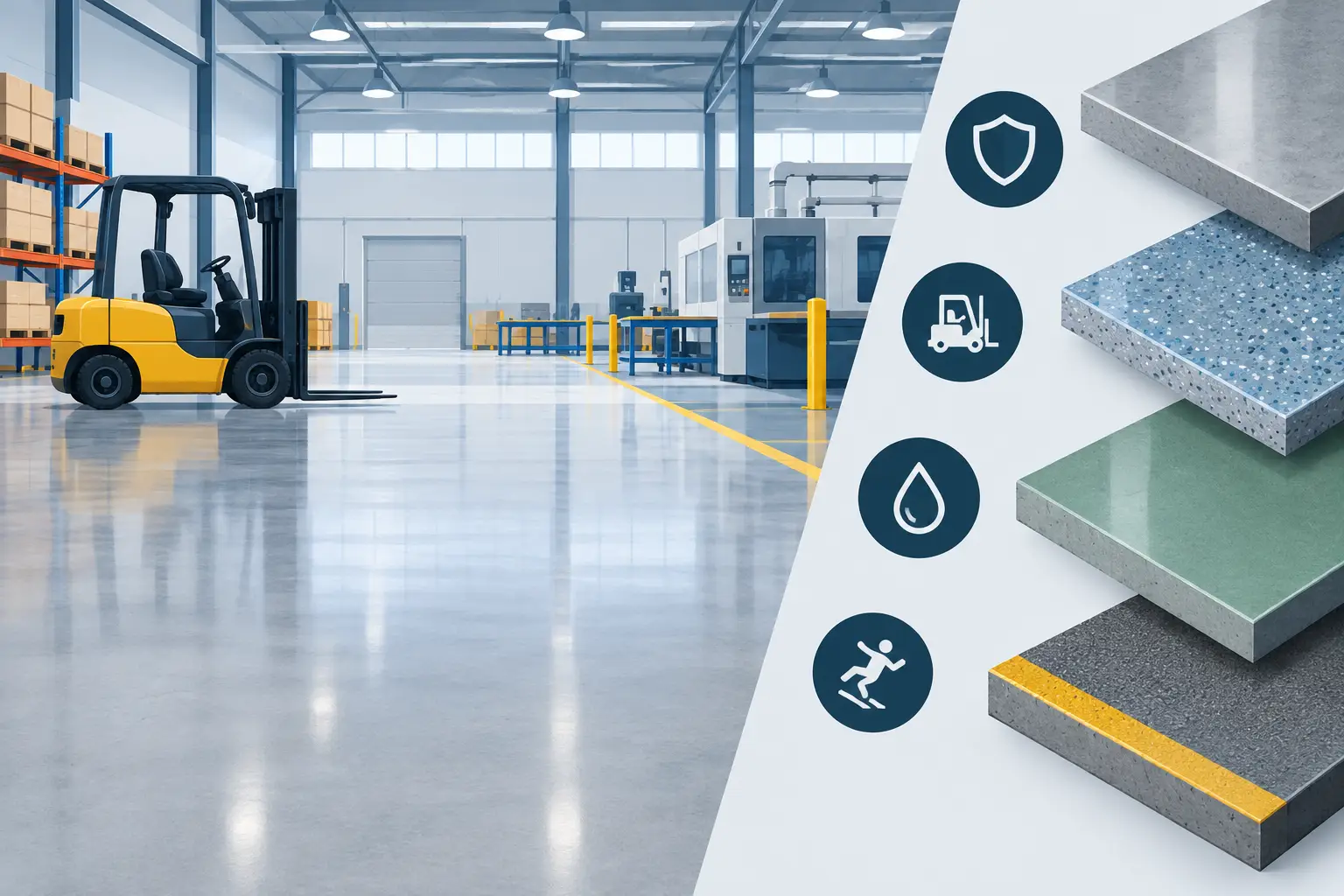
Best Industrial Floor Systems for Demanding Sites
October 16, 2026 1:51 am
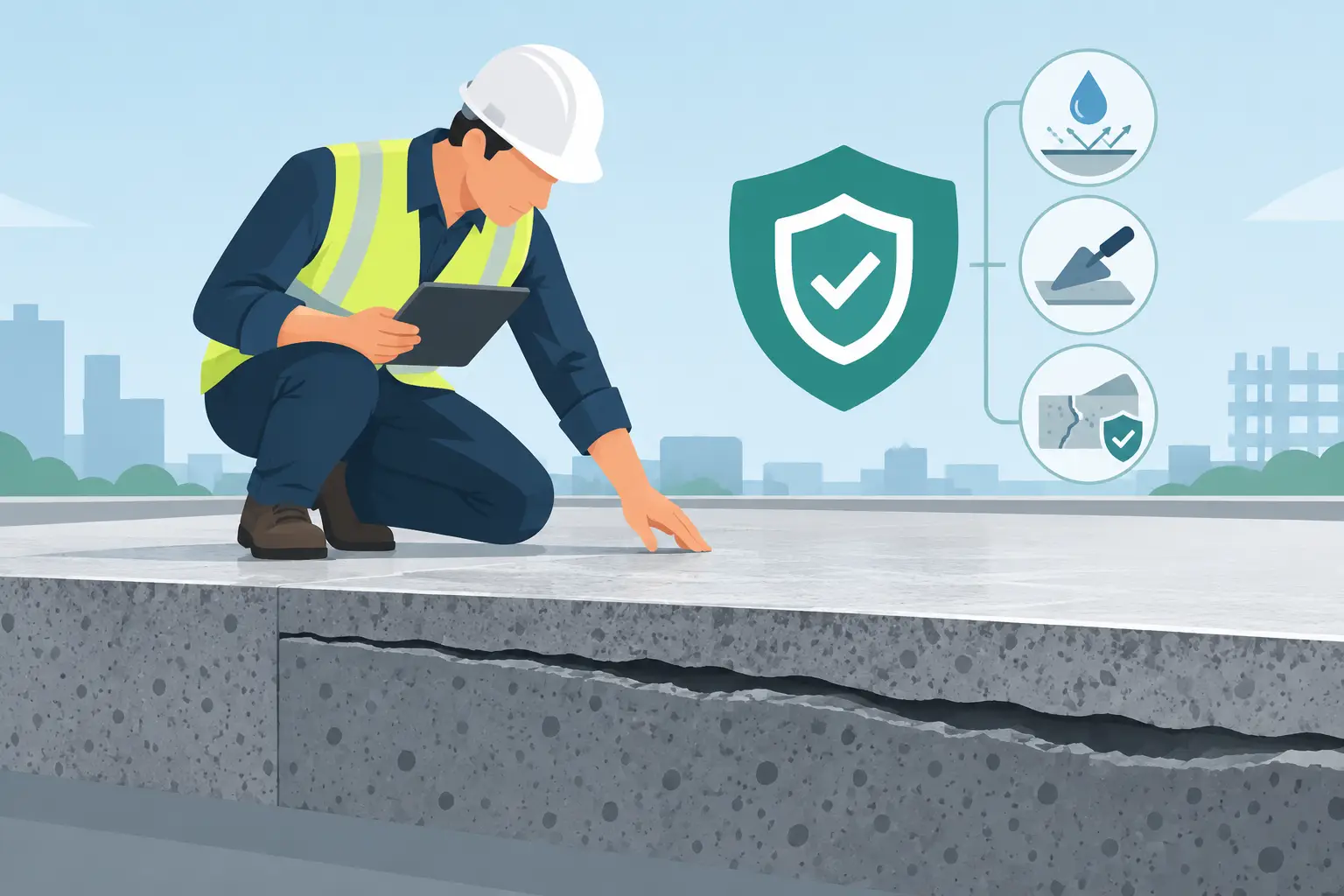
How to Prevent Concrete Delamination Early
October 14, 2026 1:51 am

Warehouse Floor Safety Guide for Busy Facilities
October 12, 2026 1:45 am