
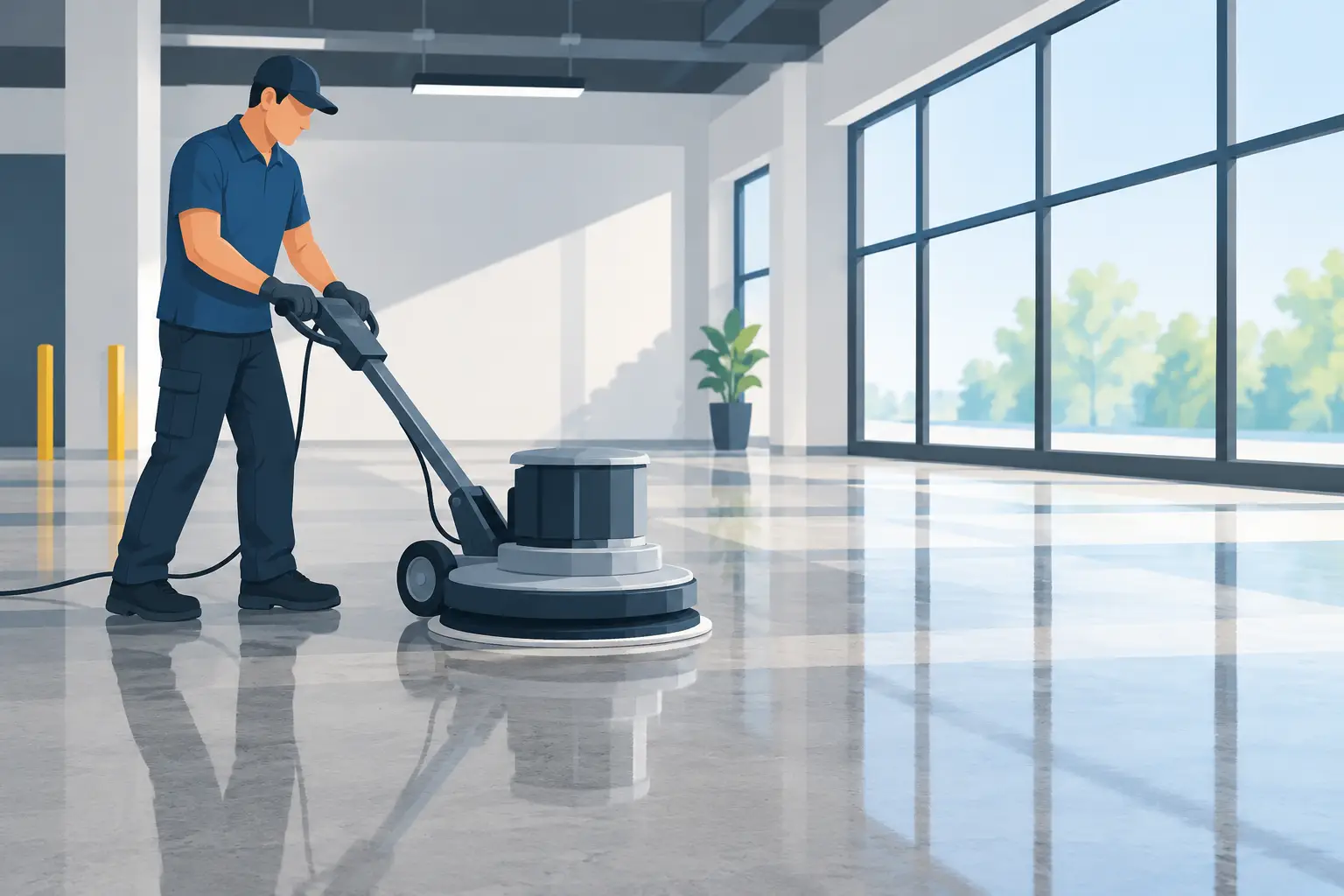
Concrete Polishing for Floors That Work Hard
A warehouse floor cannot shut down every few months for coatings that peel. A garage should not trap oil stains and tire marks in a surface that is hard to clean. And a retail floor needs to look intentional under bright lighting, not like an afterthought. Concrete polishing addresses those real-world demands by turning an existing concrete slab into a durable, cleanable, light-reflective floor built for the way the space is actually used.
For Orange County property owners and facility managers, the right finish is not simply about shine. It is about slab condition, traffic, maintenance expectations, slip resistance, exposure to chemicals, and how much disruption the project can tolerate. A properly scoped polished concrete floor can perform for years with far less upkeep than many traditional flooring systems.
What Concrete Polishing Actually Does
Concrete polishing is a mechanical process that refines the top layer of a concrete slab using industrial diamond-grinding equipment. The floor is progressively ground, treated with a concrete densifier, and polished through finer abrasive stages until it reaches the selected level of clarity and sheen.
The densifier is a critical part of the system. It reacts within the concrete to help harden the surface, reduce dusting, and make the slab better able to withstand daily wear. The finished floor is not a layer sitting on top of the concrete. It is the concrete itself, mechanically refined and protected from within.
That distinction matters. Paints and some coatings can be excellent choices in the right setting, particularly where chemical resistance, color consistency, or a non-slip texture is the priority. But polished concrete offers a different kind of performance: a hard, monolithic surface with no grout lines, no vinyl seams, and no coating layer that can delaminate when the slab is properly prepared.
Where Polished Concrete Performs Best
Polished concrete is a strong fit for many commercial, industrial, and residential spaces, but the finish level should match the application. A high-gloss showroom floor and a working warehouse floor do not need the same treatment.
In offices, retail stores, restaurants, and lobbies, a polished finish creates a modern appearance while standing up to foot traffic, carts, and routine cleaning. Its light reflectivity can also brighten large interiors, which may reduce the need for additional lighting in some spaces.
Warehouses, manufacturing areas, airplane hangars, and distribution facilities often benefit from a practical, lower-sheen polish. These floors are easier to sweep and maintain than untreated concrete, and the densified surface helps resist abrasion from equipment and traffic. For industrial environments, the decision should account for forklifts, pallet jacks, point loads, oils, and chemical exposure before a system is selected.
For residential properties, concrete polishing works especially well in garages, workshops, patios where conditions allow, and modern interior spaces. Homeowners often choose it because it is clean, durable, and compatible with a wide range of design styles. A salt-and-pepper finish can look refined and consistent, while more aggressive grinding can expose aggregate for a more decorative result.
The Slab Determines the Result
No two concrete slabs are identical. Before recommending concrete polishing, an experienced contractor evaluates the floor instead of making assumptions based on square footage alone. Existing coatings, adhesive residue, cracks, moisture conditions, uneven areas, soft concrete, and previous patching all affect the process, cost, and final appearance.
A floor with old epoxy, carpet glue, thinset, or paint may require extensive removal before polishing can begin. That removal is not optional prep work. It is what allows the diamonds and densifier to work consistently across the slab.
Cracks and patched areas also deserve an honest conversation. Repairs can stabilize and improve the floor, but they rarely disappear completely in a polished finish. In many commercial and industrial projects, that character is acceptable. In a high-visibility lobby or residential interior, a client may prefer a different exposure level, a stain or dye strategy, or a coating system that creates a more uniform appearance.
Moisture is another deciding factor. Polished concrete is breathable compared with many film-forming coatings, which can make it useful where vapor transmission is a concern. Still, moisture testing and slab evaluation are part of responsible project planning, especially when the floor has a history of issues.
Choosing the Right Level of Finish
Polish is not one look. It ranges from a matte, low-sheen surface designed for utility to a high-gloss architectural finish that reflects overhead lights and surrounding details. The right selection depends on budget, intended use, existing slab condition, and the look you want after years of service, not just on the day the project is completed.
A light polish is often practical for warehouses, storage areas, back-of-house spaces, and garages. It improves cleanability and appearance without requiring the added labor of a high-gloss finish. A medium or high polish is more common in retail, offices, showrooms, and upgraded residential interiors where appearance is a larger part of the decision.
Aggregate exposure also changes the floor’s character. A cream finish preserves more of the top surface and usually offers the most uniform look when the slab is in good condition. A salt-and-pepper finish removes a thin layer of the surface to reveal fine sand and small aggregate. A full aggregate exposure cuts deeper, producing a terrazzo-like visual but requiring more grinding, more time, and a slab capable of supporting that look.
Dyes can add controlled color without hiding the concrete’s natural variation. They are especially useful for branding, design zones, or creating a warmer visual tone in offices and retail environments. They should be selected with realistic expectations: concrete variation remains part of the finished floor, particularly where repairs or different pours are present.
Benefits That Matter in Daily Operations
The most valuable benefit of polished concrete is often reduced maintenance. With a properly densified and polished surface, dusting is reduced and routine cleaning is straightforward. Dry dust mopping and periodic cleaning with the right equipment can keep the floor looking professional without the cycle of stripping and recoating required by some other flooring options.
Durability is another major advantage. A polished floor holds up well under regular foot traffic and many wheeled loads because the process strengthens and refines the wear surface. It also eliminates many of the weak points found in tile, including grout joints and broken edges.
However, polished concrete is not chemical-proof. In spaces with frequent exposure to acids, caustics, solvents, battery acid, or aggressive food-service chemicals, an epoxy or urethane system may be the better choice. The same applies when a highly textured, slip-resistant finish is required. Concrete polishing can support good traction when kept clean and specified correctly, but wet conditions, contaminants, and footwear all affect slip resistance.
That is why a flooring solution should be selected around the environment, not around a single product claim.
Planning the Work Without Disrupting the Business
Commercial flooring work should be planned around operations. For a retail store, office, restaurant, warehouse, or active facility, scheduling may need to occur overnight, during weekends, or in carefully phased sections. The goal is to protect employees, customers, inventory, and access routes while keeping the project moving.
A professional concrete polishing contractor will establish containment needs, equipment access, dust-control procedures, cure times for repairs, and a realistic sequence before work begins. Modern grinding equipment with HEPA dust collection significantly reduces airborne dust, but occupied-space protection still requires planning.
For larger spaces, phasing can keep sections of a facility operational while work is completed in others. This approach takes coordination, but it is often the difference between a flooring upgrade that supports operations and one that interferes with them.
When Polishing Is Not the Best Answer
A dependable contractor should be willing to say when another system makes more sense. Severe slab damage, major level changes, repeated chemical exposure, the need for solid opaque color, or strict traction requirements may point toward concrete resurfacing, epoxy, urethane cement, or another specialized flooring solution.
The best projects begin with an in-person review of the slab and the space. At Orange County Concrete Polishing, that means looking at how the floor is used, what it has been through, and what you need it to do next. A tailored proposal is more useful than a generic price because it identifies the prep, finish, repairs, and scheduling requirements that determine long-term performance.
If your floor needs to work harder, start with a clear assessment rather than a quick cosmetic fix. The right concrete finish should make cleaning easier, support daily operations, and still look right when the doors open the next morning.
Recent Post
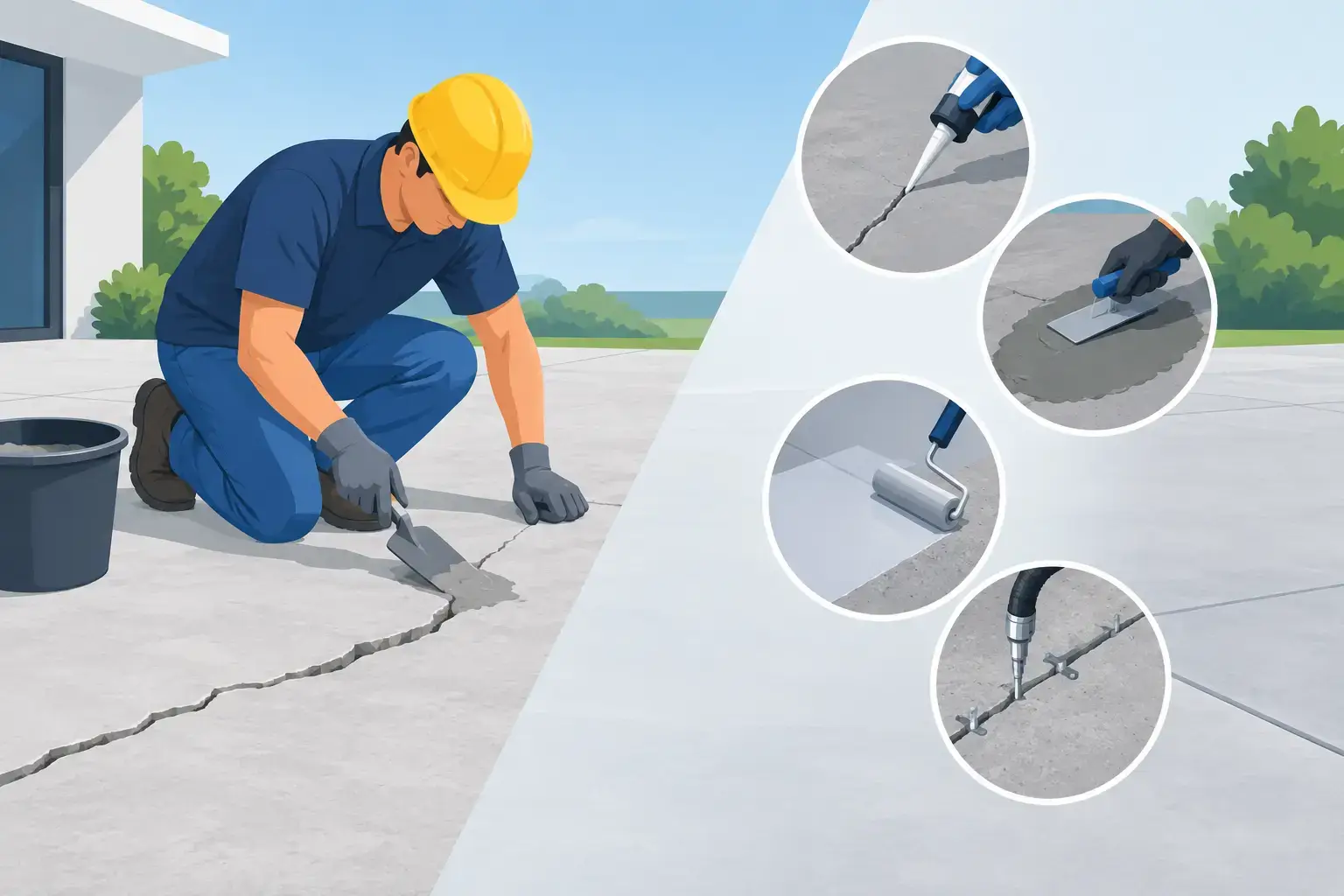
Best Concrete Slab Repair Methods That Last
November 23, 2026 1:50 am
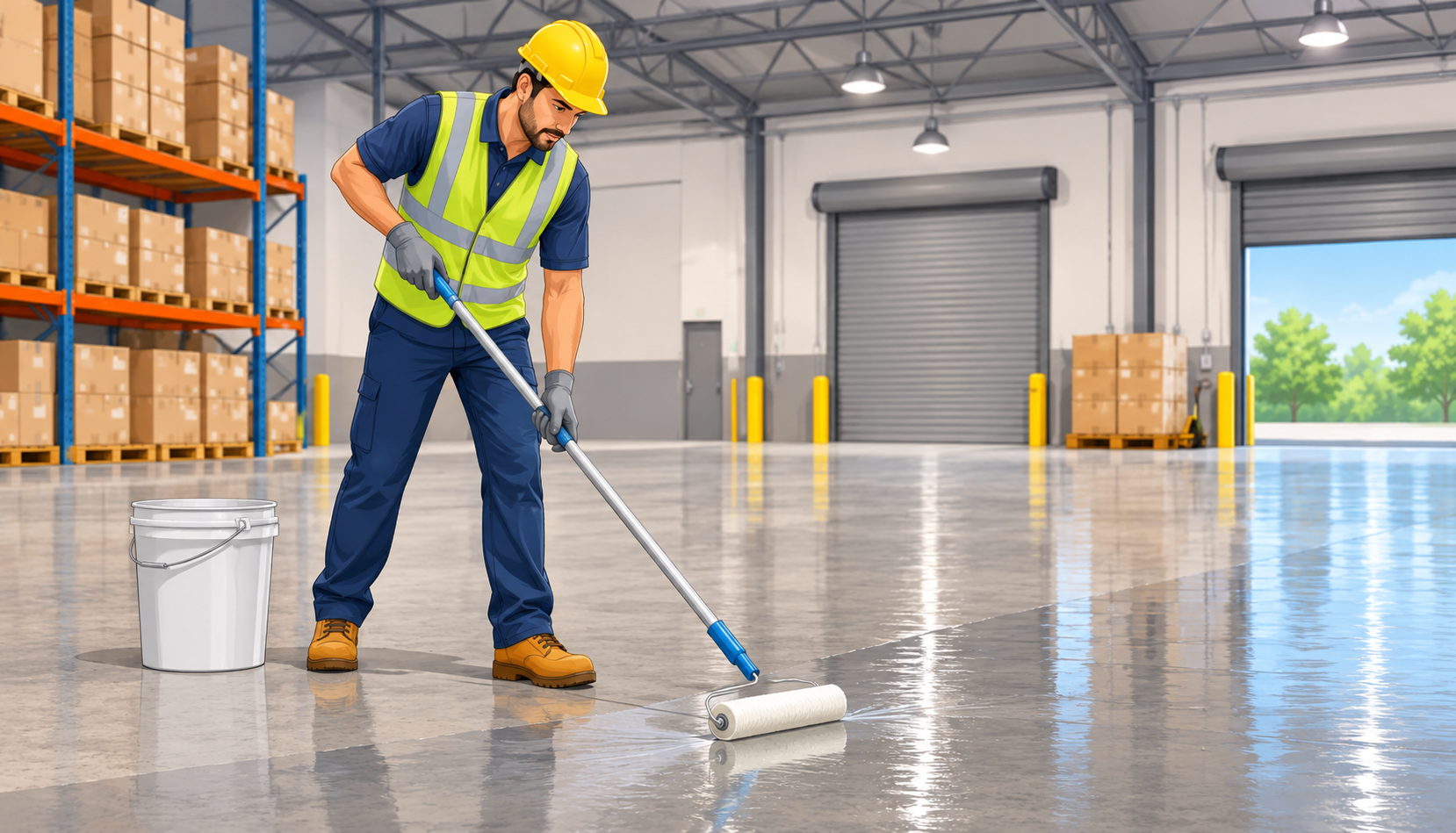
Penetrating vs. Topical Concrete Sealers: Which Is Right for Your Floor?
November 22, 2026 8:11 pm
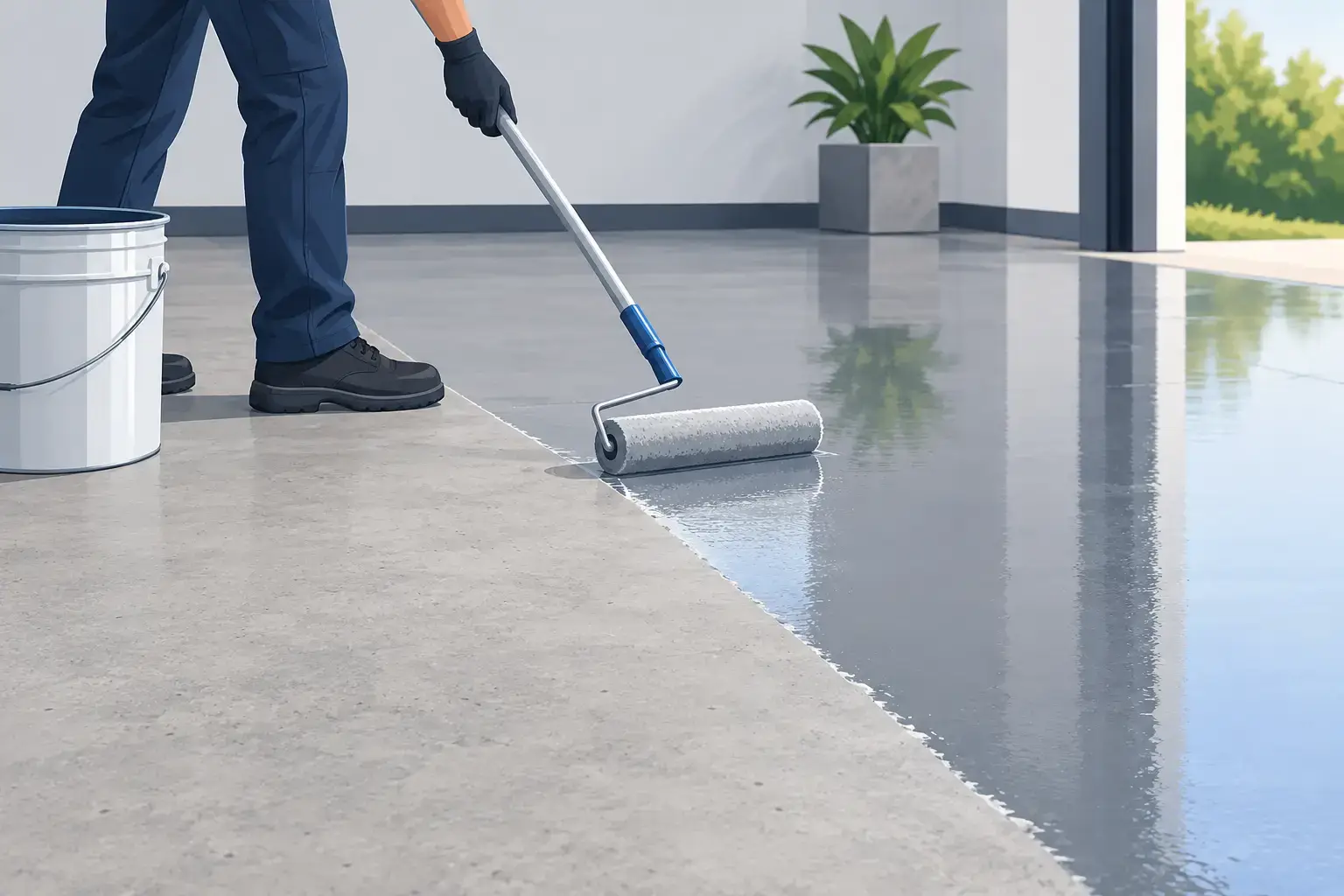
How to Seal Concrete Floors for Lasting Protection
November 21, 2026 1:44 am