

Concrete Dusting Solutions That Actually Last
A concrete floor should not leave a gray film on shoes, tires, cartons, or cleaning equipment. When it does, the surface is breaking down – and the problem rarely improves on its own. The right concrete dusting solutions address the weak concrete beneath the powder, then add a finish that fits the traffic, moisture exposure, and appearance requirements of the space.
For an Orange County garage, a dusting slab may make the whole room look unfinished no matter how organized it is. In a warehouse, retail space, or production area, concrete dust can create cleaning burdens, contaminate inventory, and signal a floor that needs attention. The best repair is not always the same product. It depends on why the surface failed and what the floor needs to handle after the repair.
Why Concrete Starts Dusting
Concrete dusting happens when the top layer of the slab lacks the strength to stay intact under foot traffic, vehicle traffic, sweeping, or routine use. That weak surface is often called laitance. It can look like harmless powder at first, but it is a sign that the concrete paste at the top of the slab is wearing away.
Several installation and environmental issues can cause it. Adding too much water to the mix or to the surface during finishing can weaken the top layer. Finishing concrete while bleed water is still present has a similar effect. Poor curing, rapid moisture loss from heat or wind, and freezing conditions during placement can also leave the surface soft and porous.
Older slabs may dust because they have been exposed to years of abrasion, moisture, chemicals, or neglected maintenance. A warehouse aisle under forklifts and pallet jacks has different wear patterns than a residential garage, but the underlying issue is the same: the exposed surface no longer has the density or bond strength it needs.
Do Not Mistake Dirt for a Dusting Problem
A quick test can help separate surface soil from actual concrete deterioration. Clean a small area thoroughly, let it dry, and rub it with a dark cloth or your hand. If fine gray powder continues to come off after cleaning, the slab is likely dusting. If the surface feels sandy, flakes under pressure, or shows widespread pitting, the problem may be more advanced than a simple topical treatment can solve.
Moisture is another factor that must be checked before selecting a finish. Slabs on grade, parking areas, and spaces with drainage or vapor issues can push moisture upward through concrete. Applying a coating over an unresolved moisture condition can lead to blisters, peeling, or coating failure. A floor can look clean and dry on the surface while still carrying excessive moisture vapor below.
Concrete Dusting Solutions for Different Floor Conditions
The right solution begins with a site evaluation, not a one-size-fits-all coating recommendation. Surface hardness, contamination, existing coatings, crack conditions, moisture, intended use, and downtime all affect the scope of work.
Densifiers for Sound but Porous Concrete
When the slab is structurally sound and the dusting is light to moderate, a penetrating concrete densifier can be an effective option. Densifiers react within the concrete to harden and tighten the surface. They reduce porosity, improve abrasion resistance, and help limit future dusting without creating a thick film on top of the floor.
This approach works particularly well for utility areas, lightly used commercial spaces, and concrete that will later be polished. It is also a practical choice when a natural concrete appearance is preferred. However, a densifier will not repair deeply deteriorated concrete, hide stains, fill major cracks, or provide the decorative look of a coating system.
Grinding and Polishing for a Harder Finished Surface
If the top layer is weak but the slab below it is sound, diamond grinding can remove the failing material and expose stronger concrete. The surface can then be densified and honed or polished to the desired level of sheen. This creates a durable, low-maintenance floor that does not rely on a surface film to control dust.
Polished concrete is a strong fit for offices, showrooms, retail spaces, restaurants, airplane hangars, and modern residential interiors. It reflects more light than unfinished concrete, stands up well to daily traffic, and is easier to clean than a porous, dusty slab. The trade-off is that polishing requires enough usable concrete beneath the damaged layer. Floors with extensive patching, severe spalling, or heavy oil saturation may need additional repair work before they can be polished successfully.
Epoxy and Polyaspartic Coatings for Garages and Work Areas
For spaces that need color, chemical resistance, and a fully sealed surface, an epoxy or polyaspartic coating system can be the better answer. These systems are commonly used in garages, workshops, warehouses, commercial kitchens, service areas, and industrial facilities where spills and cleanup are regular concerns.
The concrete must be mechanically prepared first. Grinding opens the surface profile, removes weak material, and gives the coating a reliable bond. Cracks, joints, and damaged areas may also need repair before the base coat is installed. Decorative flakes, solid colors, and clear topcoats can be selected based on the space and desired finish.
A properly specified coating can make maintenance far easier and provide meaningful resistance to oils, tire marks, cleaning chemicals, and other common contaminants. But not every coating performs the same way. High-build epoxy may be ideal for certain commercial conditions, while a faster-curing polyaspartic system can be useful when a garage or business needs a shorter return-to-service window. Slip resistance should also be considered, especially near entrances, sinks, loading areas, or anywhere water may be present.
Resurfacing for Worn or Uneven Concrete
When dusting is accompanied by scaling, widespread pitting, shallow spalls, or an uneven appearance, resurfacing may be necessary. A cementitious overlay can restore the profile of the floor and create a new surface for staining, coatings, or other finishes. It is often a practical way to improve a worn slab without the expense and disruption of full replacement.
Resurfacing is not a shortcut around preparation. The weak concrete must still be removed, and the substrate must be stable enough to support the overlay. If cracks are moving, moisture is excessive, or the slab has underlying structural issues, those conditions should be addressed before cosmetic work begins.
Choosing the Right Finish for the Space
A homeowner may prioritize a clean garage that resists hot-tire pickup and is easy to hose down. A facility manager may need chemical resistance, traction, minimal shutdown time, and a finish that holds up under carts or forklifts. A general contractor may be coordinating multiple trades and need a flooring schedule that does not delay the rest of the project.
That is why concrete dusting solutions should be tailored to the use of the floor. Natural densified concrete can be cost-effective and durable for the right slab. Polished concrete brings a refined, professional appearance with low ongoing maintenance. Epoxy and polyaspartic systems add protection and color options where sealed performance matters most. Resurfacing provides a path forward when the existing surface has already lost too much material.
Appearance matters, but performance comes first. A glossy finish may look impressive in a showroom, while a textured coating with added traction may be the safer choice for a back-of-house work area. The floor should be built for its real conditions, not just for the first day after installation.
What a Lasting Repair Process Looks Like
A lasting repair starts with inspecting the slab in person. The contractor should identify whether the floor is merely dusty, contaminated, moisture-affected, cracked, coated, or structurally deteriorated. This determines how much surface preparation is required and whether a densifier, polish, coating, or resurfacing system is appropriate.
Mechanical preparation is the step that cannot be skipped. Sweeping, pressure washing, or applying a paint-like sealer over dusty concrete may improve the appearance temporarily, but it does not create a dependable bond. Grinding removes the weak layer and creates the correct surface profile for the selected finish.
After preparation, repairs are completed, the chosen system is installed, and cure time is planned around the project schedule. For commercial and industrial properties, off-hours work can reduce interruption to staff, customers, and operations. The goal is a floor that returns to service on schedule and stays easier to maintain long after the crew leaves.
Get the Floor Evaluated Before the Dust Spreads
Concrete dust is more than a housekeeping issue. It is a surface failure that can affect appearance, maintenance costs, safety, and the performance of any finish installed over it. Orange County Concrete Polishing provides in-person evaluations and customized recommendations based on the actual condition of the slab and the demands of the space.
If your garage, business, warehouse, or facility floor is leaving powder behind, get it assessed before another coating or cleaning product is applied. A properly prepared concrete floor can be harder, cleaner, more attractive, and built for the work it needs to do.
Recent Post

Overnight Floor Installation Planning That Works September 20, 2026 1:51 am
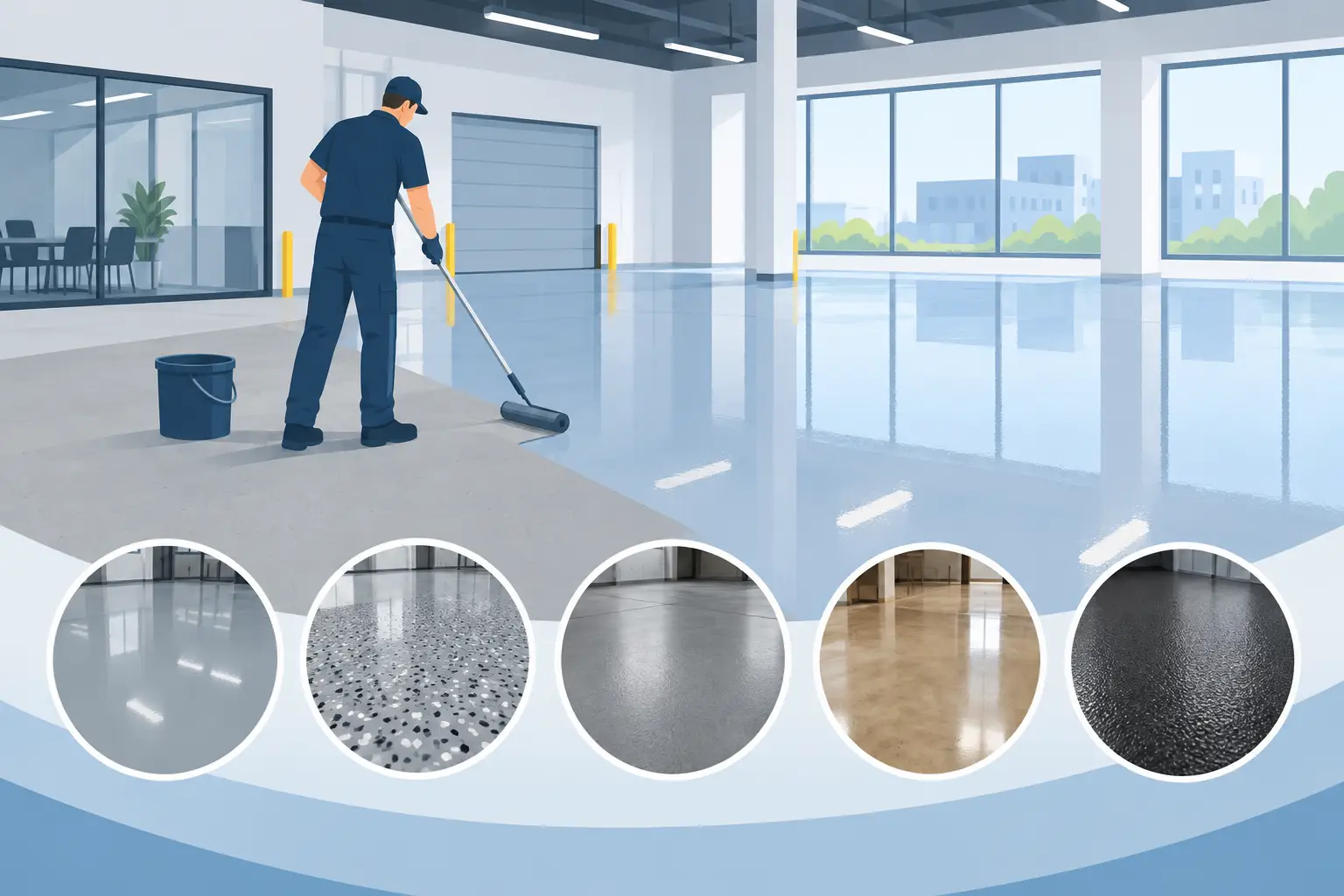
Top Commercial Floor Coating Options for Business September 18, 2026 1:53 am
What Causes Epoxy Floor Bubbles? 7 Common Reasons September 16, 2026 1:53 am