

Concrete Slab Leveling Guide for Lasting Floors
A floor can look acceptable until you try to install epoxy, polish it to a high shine, roll warehouse equipment across it, or park a car where water always settles. This concrete slab leveling guide explains how to identify the real problem beneath an uneven floor and select a repair that supports the finish, traffic, and service conditions your property requires.
For Orange County homeowners, business owners, facility managers, and general contractors, leveling is not a cosmetic afterthought. It is surface preparation that directly affects drainage, coating adhesion, floor appearance, safety, and long-term maintenance.
Start by Identifying Why the Slab Is Uneven
Not every uneven concrete floor needs the same correction. A slab may be generally flat but have a few high spots from poor finishing. It may have low areas caused by shrinkage, settlement, or years of traffic. In more serious cases, one section of the slab has moved because of soil movement, drainage issues, plumbing leaks, or inadequate base preparation.
The difference matters. Grinding a high spot is often an efficient solution. Filling a shallow low area with a compatible leveling material can also work well. But neither approach fixes an actively settling slab. If the concrete continues to move, the finished surface can crack, separate, or develop new low points.
Look for these signs before choosing a repair method:
- Water puddles after cleaning, rain, or vehicle washdowns
- Cracks that have widened, shifted vertically, or continue through walls or adjacent finishes
- Doors, equipment, shelving, or rolling carts that no longer sit level
- Coating failure, chipped floor edges, or repeated damage in the same areas
A straightedge, laser level, or floor elevation survey gives a clearer picture than visual inspection alone. On large commercial floors, especially warehouses, retail spaces, airplane hangars, and production areas, mapping the slab is the right starting point. It shows where the floor is high, low, sloped, or out of tolerance for the planned use.
Concrete Slab Leveling Guide: Match the Method to the Problem
The right leveling method depends on the depth of the issue, the slab’s condition, the final flooring system, and how the space will be used. A garage that needs a durable epoxy system has different requirements than a retail showroom receiving polished concrete or a warehouse supporting forklifts.
Concrete grinding for high spots
Diamond grinding removes raised areas, old coatings, thinset, paint residue, and surface imperfections. It is frequently the best approach when the slab is mostly sound and the goal is to flatten isolated high spots or create a profile for epoxy, resurfacing, or polishing.
Grinding is precise, but it has limits. Removing too much concrete can expose aggregate unevenly, alter drainage, or weaken thin slab edges. It also cannot raise a low area. A professional contractor evaluates how much material can be removed before recommending this option.
Grinding is often part of a larger preparation plan. A floor may need high spots ground down, cracks repaired, and low areas filled before the final coating or polish process begins.
Self-leveling underlayment for shallow low areas
Self-leveling materials are cement-based or polymer-modified products designed to flow into low areas and create a smoother surface. They can be an excellent solution for interior spaces, offices, retail locations, and residential floors where the slab is stable but does not meet the flatness needed for the selected finish.
Preparation determines whether a leveling overlay lasts. The concrete must be clean, mechanically profiled, free of bond-breaking contaminants, and properly primed when required. Moisture conditions also need to be checked. A leveling material applied over weak, dusty, wet, or contaminated concrete may lose bond even if it looks smooth on installation day.
Depth matters here. Some products are built for feather-edge repairs, while others are designed for deeper fills. The material must also be compatible with the final system. An epoxy floor, polished concrete finish, decorative overlay, or glued flooring installation may each call for a different preparation sequence.
Patching and repair mortars for localized damage
Spalls, broken edges, deteriorated joints, and isolated depressions often need repair mortar rather than a full self-leveling application. These repairs are common in garages, warehouses, parking areas, and industrial spaces exposed to vehicle traffic, impact, chemicals, or repeated loading.
The damaged concrete should be removed back to sound material before the repair is placed. Simply spreading material over crumbling concrete creates a temporary patch, not a durable repair. Proper edge preparation, cleaning, bonding, and curing help the patched area perform under traffic.
Slab lifting for settlement
When a section of concrete has dropped due to voids or soil-related settlement, slab lifting may be the appropriate first step. Depending on the site, this can involve cementitious grout or polyurethane foam injected beneath the slab to fill voids and lift the concrete.
Slab lifting can restore elevation without demolishing the entire floor, but it is not a universal answer. The cause of settlement still needs attention. Poor drainage, leaking lines, unstable subgrade, or ongoing soil movement can create repeat problems if left unresolved. Major movement, structural cracking, or suspected foundation issues should be evaluated by the appropriate structural or geotechnical professional before cosmetic flooring work proceeds.
Flatness, Levelness, and Drainage Are Different Requirements
Property owners often use the word “level” to describe any uneven floor, but flatness and levelness are not the same thing. A floor can be intentionally sloped for drainage and still be smooth enough for foot traffic, coatings, or certain equipment. A floor can also be level overall but have waves and dips that make a polished finish look distorted or create problems for rolling loads.
For garages, wash bays, kitchens, and parking structures, drainage may take priority. Water should move toward the intended drain or exterior exit rather than collect against walls, door thresholds, or equipment. In an office, retail space, or residential interior, a visually flat surface may be the larger concern.
Warehouses and industrial facilities need another layer of planning. Forklifts, pallet jacks, racks, carts, and machinery can be sensitive to floor transitions and abrupt elevation changes. The correct repair may require targeted leveling in traffic lanes rather than treating every square foot of the building.
Before work begins, define the performance goal. Is the objective to stop ponding water, prepare for epoxy, improve the appearance of polished concrete, correct a trip hazard, or support equipment? Clear expectations prevent unnecessary work and help ensure the repair supports the way the floor will actually be used.
Prepare the Slab Before Applying a Finish
Leveling compounds and repair materials are only as dependable as the concrete beneath them. The surface must be evaluated for contamination, moisture vapor, weak concrete, previous coatings, and existing cracks. Oil, grease, curing compounds, paint, adhesives, and failed coatings can all interfere with bond.
Mechanical surface preparation is typically the reliable standard for concrete flooring work. Diamond grinding, shot blasting, or other appropriate methods remove weak surface material and create the profile needed for the selected system. Acid washing is not a substitute for proper mechanical preparation when long-term coating performance matters.
Cracks deserve specific attention. Some are dormant shrinkage cracks that can be filled and treated as part of the finish system. Others are active cracks that may continue to move. A rigid decorative finish across an active crack can reopen, so the repair strategy should account for expected movement rather than promising an invisible permanent result.
Moisture is another issue that should not be guessed. Moisture vapor moving through a concrete slab can affect epoxy adhesion, discolor certain finishes, and contribute to blistering or delamination. Testing and product selection should match the job conditions, particularly for slabs on grade, older buildings, and spaces with a history of moisture problems.
Choose the Finish After the Leveling Plan Is Clear
A corrected slab creates more options, but each finish has its own demands. Polished concrete can deliver a clean, modern, low-maintenance surface, yet it will not hide every patch, crack repair, or aggregate variation. In fact, polishing can make inconsistencies more visible. That can be acceptable in an industrial or contemporary design, but it should be discussed before work starts.
Epoxy and other resinous floor systems can provide chemical resistance, color options, easier cleaning, and a more uniform appearance. They still need a stable, properly prepared substrate. If the floor has low areas, failed patches, or moisture concerns, those issues must be addressed before the coating is installed.
Concrete resurfacing can improve the appearance of worn slabs and provide a fresh surface for decorative or functional finishes. It is best used over structurally sound concrete with the right preparation and repair work completed first. Resurfacing over active movement or widespread slab failure only delays a larger repair decision.
Know When a Professional Site Review Saves Money
Small, stable imperfections may be manageable with a localized repair. Large elevation changes, active cracks, drainage failures, and industrial performance requirements should be reviewed in person. The cost of correcting a bad floor preparation job after epoxy, polish, or resurfacing has already been installed is usually far higher than planning the substrate correctly at the beginning.
Orange County Concrete Polishing evaluates the slab, intended use, traffic demands, and finish requirements before recommending a leveling or surface preparation plan. That approach helps homeowners avoid garage floor failures and helps commercial clients schedule work around operations, including off-hours when practical.
A level floor is not always the goal. The right goal is a stable, properly prepared concrete surface that drains where it should, supports the traffic it will receive, and gives your finished floor a dependable foundation. Request an in-person estimate before selecting a repair method, especially when the floor will carry a high-value coating or serve a demanding commercial operation.
Recent Post

Overnight Floor Installation Planning That Works September 20, 2026 1:51 am
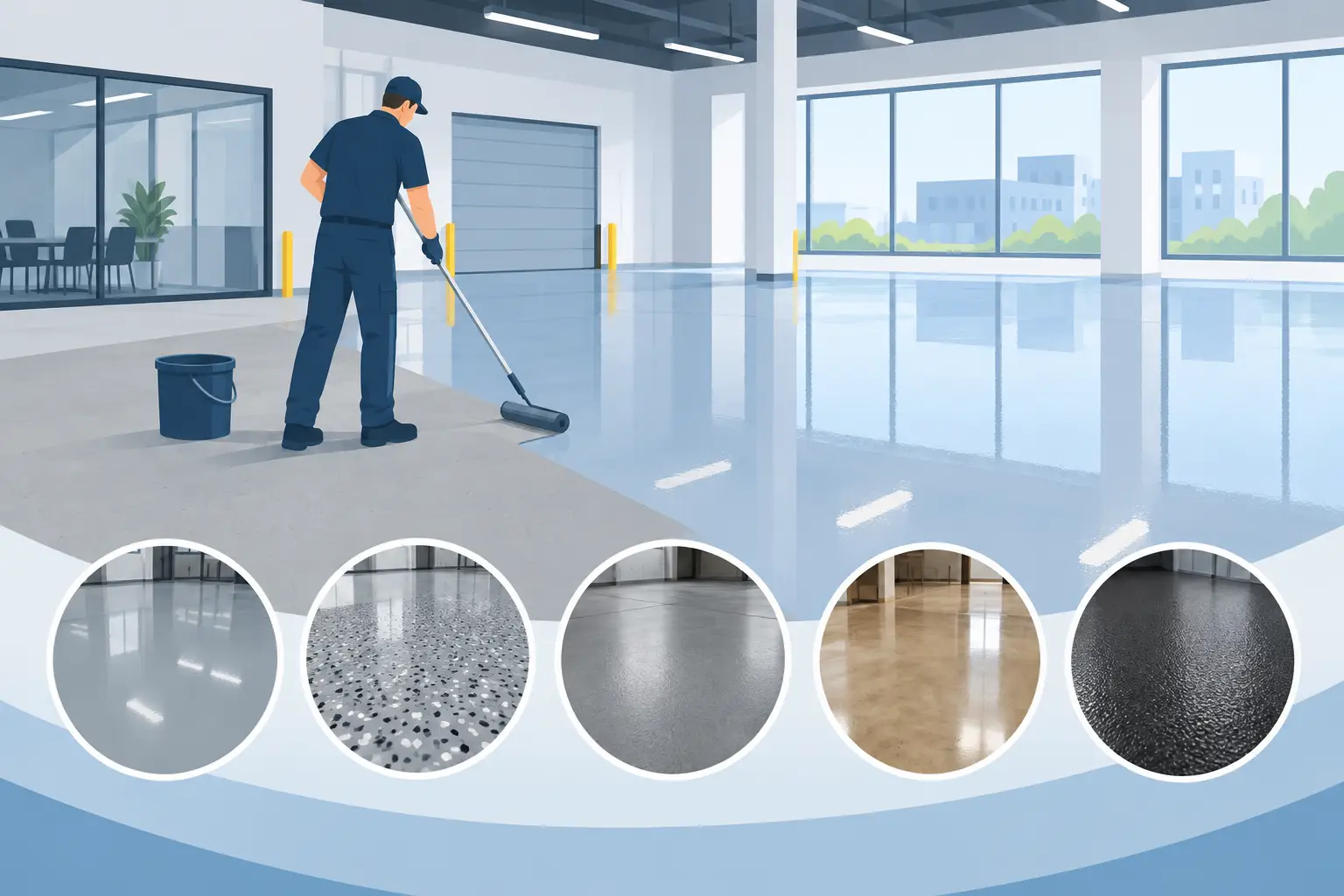
Top Commercial Floor Coating Options for Business September 18, 2026 1:53 am
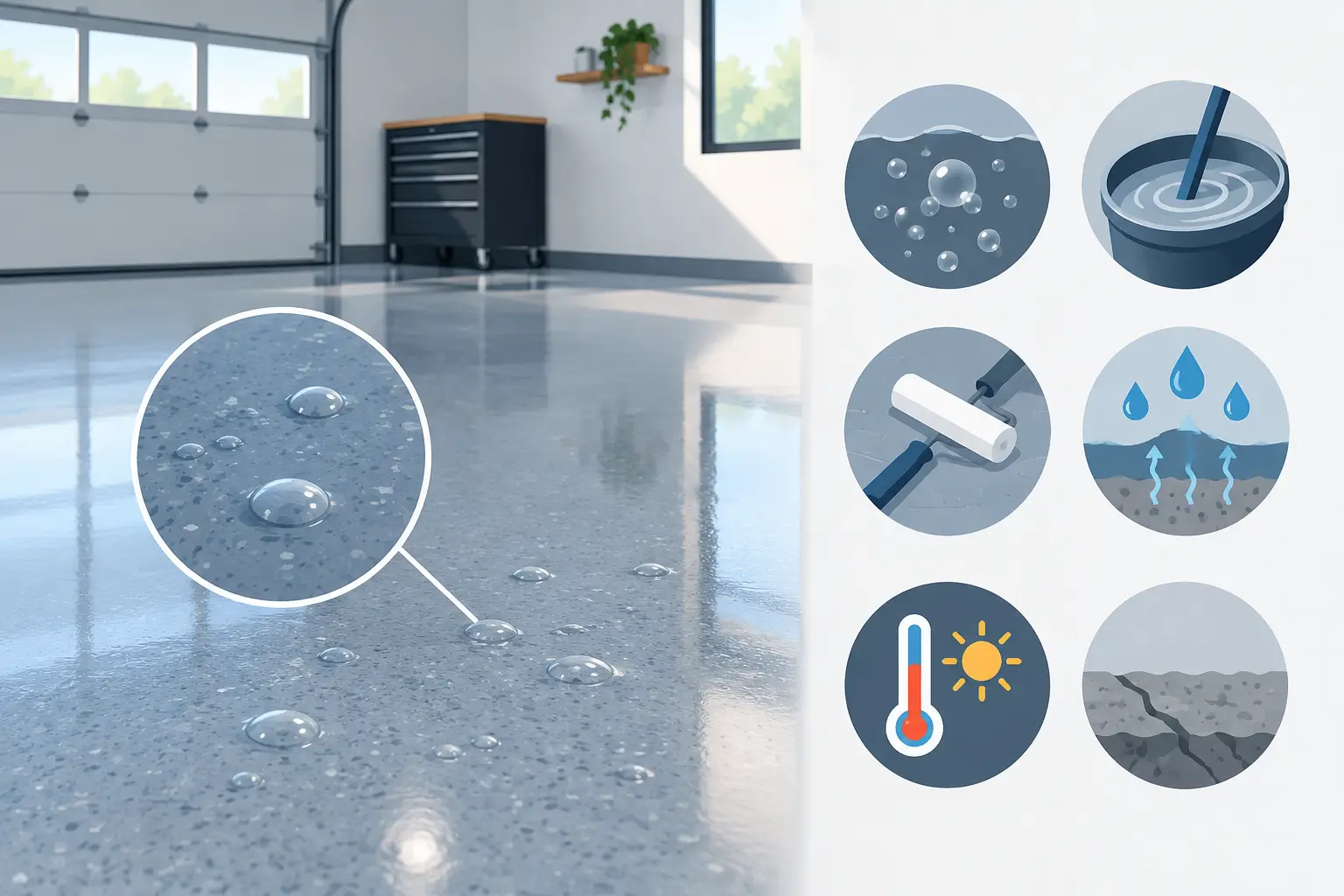
What Causes Epoxy Floor Bubbles? 7 Common Reasons September 16, 2026 1:53 am