
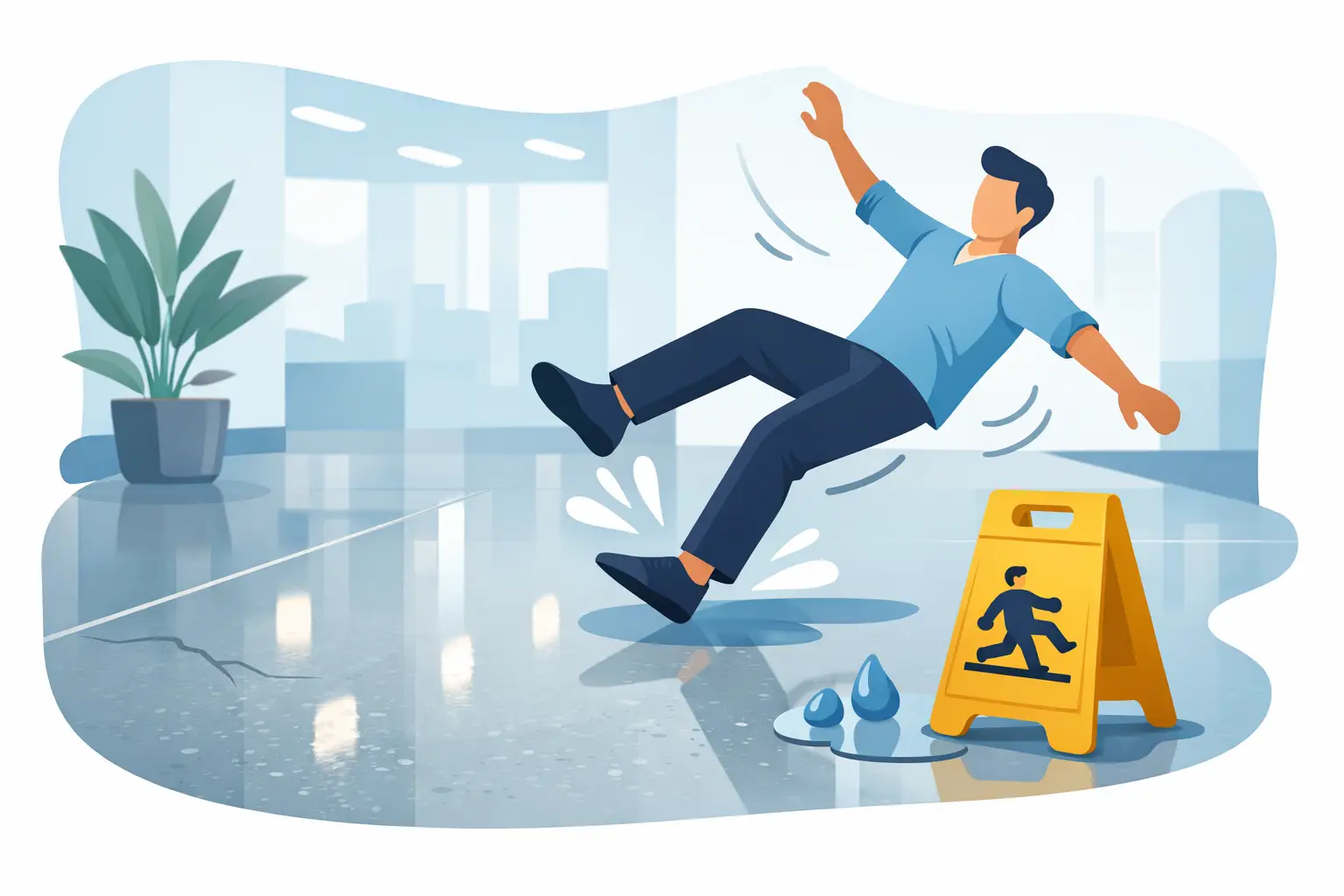
Is Polished Concrete Slippery?
A lot of people ask the same question right before approving a floor project: is polished concrete slippery? It is a fair concern, especially if you are planning for a garage, retail space, office, warehouse, restaurant, or any area where people move quickly and spills happen. The short answer is that polished concrete is not automatically slippery, but traction depends on the finish level, site conditions, maintenance, and how the space is actually used.
That is the part many sales pages skip. A polished floor can look sleek without becoming a hazard, but the right system has to match the environment. A showroom has different traction needs than a commercial kitchen, and a residential garage has different exposure than a warehouse receiving area.
Is polished concrete slippery when dry?
In dry conditions, polished concrete usually performs better than people expect. Even though the surface looks smooth and reflective, properly finished concrete often provides solid foot traction for normal walking traffic. That surprises many property owners because they equate shine with slipperiness, but visual gloss and slip resistance are not the same thing.
A mechanically polished concrete floor is created through grinding and refining the surface, not by laying down a thick, slick coating on top. That matters. With a true polished system, the floor keeps the character of concrete while becoming denser, tighter, and easier to clean. In many residential and commercial settings, that creates a floor that feels secure underfoot when dry.
The real answer depends on the level of polish. A lower-sheen finish generally offers more bite than a high-gloss finish, and that can be a smart choice for spaces where traction matters more than reflectivity. If a customer wants the polished look but has concerns about slip risk, the finish can often be tailored to strike the right balance.
Is polished concrete slippery when wet?
This is where the conversation needs more honesty. Like tile, natural stone, sealed concrete, and many other hard-surface floors, polished concrete can become more slippery when water, oils, grease, or dust are present. No hard flooring system is immune to that.
If your floor will be exposed to rain, frequent washdowns, vehicle drips, spilled beverages, or industrial residue, the risk profile changes. The problem is usually not the concrete itself. The problem is contamination sitting on the surface. When moisture or oils reduce the contact between shoe and floor, slip potential goes up.
That does not mean polished concrete is the wrong choice. It means the finish, maintenance plan, and traffic pattern need to be considered from the start. In a retail store, office lobby, garage, or warehouse aisle, polished concrete can be an excellent option. In an area with constant wet processing or grease exposure, another finish or a traction-enhanced approach may make more sense.
What actually affects traction on polished concrete
Slip resistance is rarely about one single factor. It is usually the result of how several conditions work together.
The first is gloss level. Higher polish levels reflect more light and create the sleek appearance many clients want, but they can also feel less forgiving in certain conditions. A satin or lower-sheen polish may be the better fit for clients who want durability and easy maintenance without pushing for the most reflective finish possible.
The second is contamination. Dust, water, oils, soaps, and chemical residue all affect traction. Even a well-installed floor can become unsafe if it is not cleaned properly or if spills are left to sit.
The third is foot traffic and use type. A homeowner walking through a clean garage in rubber-soled shoes is dealing with a different surface condition than a warehouse team moving pallet jacks through an area where water and dust get tracked in all day.
The fourth is maintenance method. Some floors become more slippery because the wrong cleaner leaves residue. Others lose performance because dirt builds up and acts like a fine layer of debris between the shoe and the floor. Good floor care protects both appearance and traction.
The difference between polished and coated concrete
This point is worth clarifying because people often group polished concrete and glossy coated floors together. They are not the same thing.
A coated floor, such as certain epoxy or urethane systems, can sometimes feel more slippery if the topcoat is very smooth and no traction additive is used. Those systems can absolutely be built for slip resistance, but they need to be designed that way.
Polished concrete is different because the finished surface comes from mechanical refinement of the slab itself. That is one reason many property owners choose it for practical environments. It offers durability, a clean appearance, and lower maintenance without relying on a thick film that can peel or wear unevenly.
Where polished concrete works well
Polished concrete is a strong fit for many dry or mostly dry environments. Offices, retail stores, auto showrooms, garages, warehouses, residential interiors, and common areas are all common applications. In those spaces, clients usually want a floor that looks clean, handles traffic, and stays easy to maintain.
For business owners and facility managers, that matters. A floor is not just about appearance. It affects cleaning time, durability, downtime, and how the space performs day after day. When the concrete is properly prepared and the finish is chosen with the use case in mind, polished concrete can deliver both function and presentation.
For homeowners, garages and modern interior floors are popular choices because polished concrete handles wear well and does not trap dust the way unfinished concrete can. It also creates a more finished, high-end look without turning the space into a maintenance project.
When you may want a different approach
There are situations where polished concrete may not be the best stand-alone answer. Commercial kitchens, food processing areas, pool decks, exterior walkways exposed to rain, and work zones with frequent grease or liquid buildup often call for more aggressive slip-resistance measures.
That could mean using a different flooring system, choosing a lower-sheen surface, adding texture in key zones, or separating wet work areas from polished public-facing areas. The right answer is not always the most polished finish. It is the finish that fits the real operating conditions.
That is why site-specific recommendations matter. A contractor should be asking how the floor will be used, what gets spilled on it, how often it is cleaned, and whether safety compliance is a major factor in the space.
How to make polished concrete safer
If slip resistance is a concern, there are practical ways to improve performance without giving up the benefits of polished concrete.
Start with the finish selection. Not every project needs a mirror-like gloss. A lower-polish finish can still look sharp while improving everyday traction. For many commercial clients, that is the sweet spot.
Then look at maintenance. The floor should be cleaned with products designed for polished concrete, not generic soaps that leave a film behind. Spills should be addressed quickly, and entry points should be managed so water and dirt are not constantly tracked across the slab.
In higher-risk environments, mats, walk-off zones, and operational housekeeping make a real difference. For industrial or commercial settings, it is also smart to evaluate where slip risk is highest and treat those areas differently than customer-facing or office areas.
Why installation quality matters
A polished concrete floor is only as good as the preparation behind it. Surface condition, grinding sequence, densification, repair work, and final finish all affect the result. Poorly executed polishing can lead to inconsistent texture, uneven appearance, and a floor that does not perform the way it should.
That is why experience matters. A contractor who understands concrete polishing across residential, commercial, and industrial spaces will not give the same recommendation to every customer. They will look at traffic, contamination, cleaning routines, and performance expectations before proposing a finish.
At Orange County Concrete Polishing, that job-specific approach is a big part of getting the floor right. A garage, retail store, warehouse, and office may all benefit from polished concrete, but they should not all be treated exactly the same.
The bottom line on polished concrete and slip risk
So, is polished concrete slippery? Sometimes it can be, especially when it is wet or contaminated, but that is true of most hard flooring surfaces. In normal dry conditions, properly installed polished concrete is often a safe, durable, and low-maintenance choice for both residential and commercial spaces.
The better question is whether polished concrete is right for your specific environment. If the answer depends on moisture, traffic, cleaning practices, or safety requirements, that is not a problem. It just means the floor should be designed with those realities in mind from the beginning.
If you are weighing polished concrete for a home, business, or facility, the smartest next step is to evaluate the space honestly and choose a finish built for how the floor will actually be used.
Recent Post
How to Prevent Concrete Delamination Early
October 14, 2026 1:51 am

Warehouse Floor Safety Guide for Busy Facilities
October 12, 2026 1:45 am
Orange County Concrete Floors That Hold Up
October 10, 2026 1:51 am