
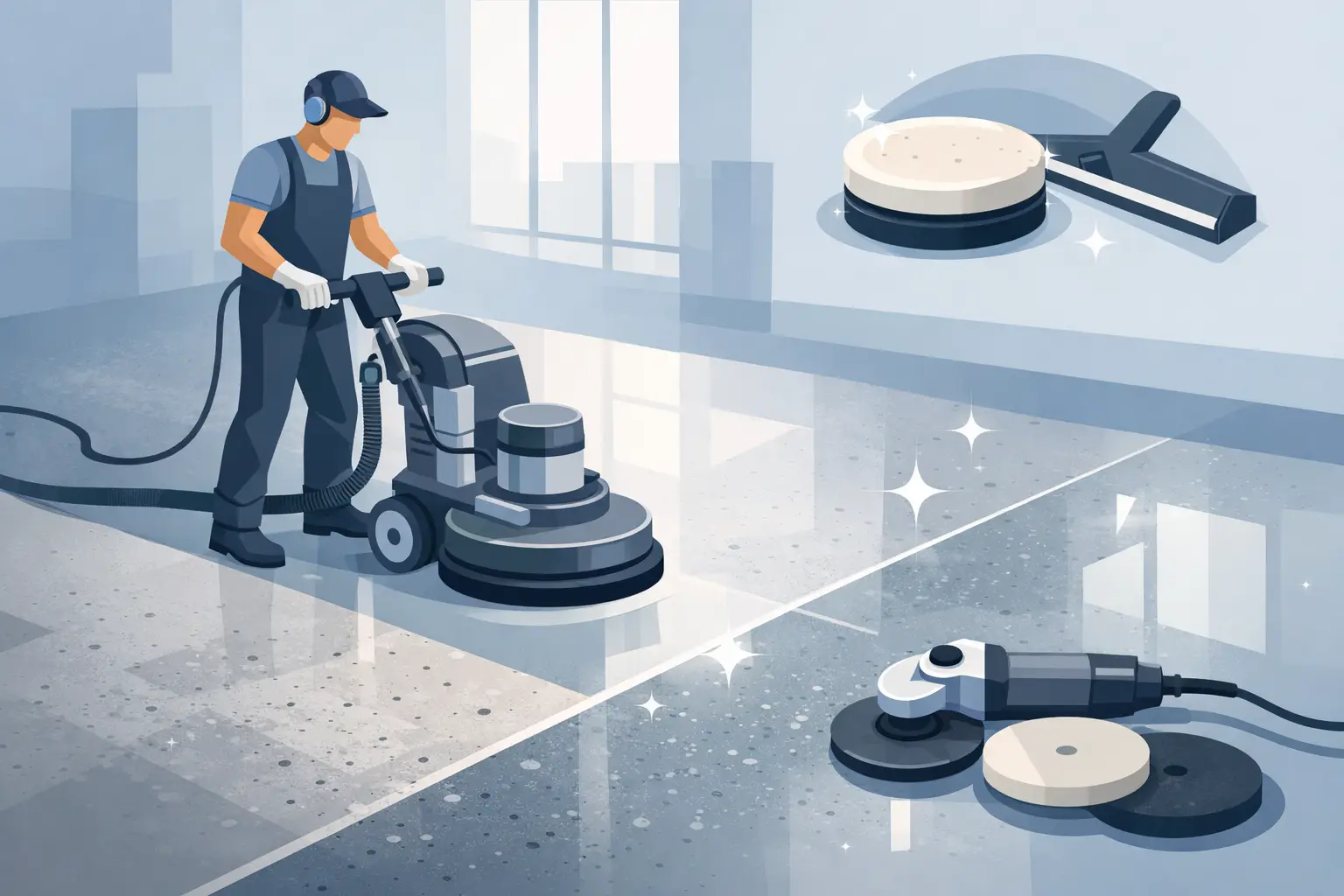
How to Polish Concrete Floors Properly
If you are looking up how to polish concrete floors, the first thing to know is this: the shine is not the job. The job is getting the slab flat, dense, and refined enough to hold that shine under real traffic. That is why some floors look sharp for years while others turn patchy, dusty, or dull within months.
Polished concrete can be an excellent fit for garages, retail spaces, offices, warehouses, and modern residential interiors. It is durable, easy to maintain, and far more customizable than many property owners expect. But polishing is a process, not a coating. The result depends on the condition of the slab, the equipment used, and how well each grinding stage is handled.
How to polish concrete floors the right way
At a basic level, concrete polishing means mechanically refining the surface with progressively finer diamond abrasives until the floor reaches the desired clarity and gloss. In most cases, that process also includes repairs, hardener application, and careful edge work. If any of those pieces are rushed, the floor will show it.
A true polished finish is different from paint, wax, or a topical shine product. You are not covering the slab. You are improving the slab itself. That matters because polished concrete tends to outperform surface coatings in areas with heavy foot traffic, rolling loads, and frequent cleaning.
The catch is that not every concrete floor is a good candidate for the same finish. A newer slab in a climate-controlled office behaves differently than an older garage floor with oil contamination, cracks, and previous coatings. The process has to match the floor in front of you.
Start with the slab, not the polish level
Before anyone touches a grinder, the slab needs to be evaluated. This is where experienced contractors save clients time and money. Surface defects, soft concrete, moisture issues, uneven placement, old mastics, curing compounds, and random patchwork all affect the final appearance.
If the slab is badly out of level or covered in thick coatings, the prep can be more involved than the polishing itself. In those cases, grinding and surface correction become the real scope of work. That is normal. It is also why quote-driven flooring contractors inspect the floor in person rather than giving a one-size-fits-all price over the phone.
For homeowners, the biggest surprise is usually that cracks and blemishes do not simply disappear during polishing. They can often be repaired and improved, but some character in the slab may remain visible. In commercial and industrial settings, that is often acceptable. In high-end retail or showroom environments, expectations need to be set early so the finish level aligns with the slab quality.
Surface prep comes first
The floor has to be clean and open before polishing starts. That may include removing glue, paint, epoxy, tile mastics, sealers, or contaminated surface layers. Any joint issues, spalls, or cracks should be repaired with compatible fillers.
This stage is also where flatness is addressed as much as practical. A polished floor reflects light, so waves, dips, and grinder marks become easier to see as gloss increases. The better the prep, the more consistent the finished floor will look.
Pick the finish based on use, not just appearance
A higher sheen is not always the best choice. In a warehouse, a lower or mid-sheen finish may be the smarter call if traffic, budget, and maintenance priorities matter more than reflectivity. In an office lobby or retail space, a higher polish level may make sense because presentation plays a larger role.
Aggregate exposure matters too. Some clients want a cream finish with minimal stone exposure. Others prefer a salt-and-pepper look or heavier aggregate exposure for a more decorative appearance. The deeper you grind, the more aggregate you reveal. That affects labor, timing, and final look.
The actual polishing process
Once the floor is ready, polishing moves through a sequence of grinding and refining steps. The exact grit progression depends on the floor condition and the target finish, but the principle stays the same: each pass removes the scratch pattern from the previous step.
Coarser metal-bond diamonds are typically used first to cut the surface, remove imperfections, and flatten the slab. After that, the process shifts into finer resin-bond diamonds to refine clarity and build gloss. Somewhere in that sequence, a densifier is usually applied to harden the concrete and improve its ability to take polish.
Skipping grit levels or moving too fast is one of the most common reasons floors end up with haze, swirl marks, or inconsistent shine. Good polishing is methodical. It is not fast for the sake of being fast.
Densifiers do real work
A densifier is not a cosmetic add-on. It reacts with the concrete to strengthen the surface and reduce dusting. That helps the slab polish better and perform better over time. On commercial and industrial floors, this is especially important because the surface has to hold up under carts, forklifts, pallets, foot traffic, and regular cleaning.
Not every slab responds the same way, though. Older or softer concrete may absorb product differently, and heavily worn areas can require more attention to achieve a uniform result. That is one more reason polished concrete is a tailored service, not a one-size package.
Edges and corners matter
Large planetary grinders handle open areas efficiently, but edges, corners, and tight spaces need separate tooling. If that edge work is neglected, the floor looks unfinished no matter how glossy the middle is.
In residential garages and interior spaces, edge quality is immediately noticeable. In commercial projects, clean perimeter work helps the whole installation read as professional and complete.
DIY vs professional polishing
Property owners often ask whether they can rent a grinder and do it themselves. For a very small, simple area, basic concrete honing may be possible with rental equipment. But true polishing is harder than it looks.
The machines are heavy, the diamonds are specialized, dust control has to be managed correctly, and every pass affects the next one. Rental equipment usually lacks the production rate and refinement of professional machines. More importantly, most DIY users do not have a reliable way to read the slab, choose the right tooling, or troubleshoot issues as they show up.
That does not mean every project requires the highest-end finish. It does mean that if you want consistent results in a garage, office, retail space, warehouse, or other working environment, professional polishing usually pays off. A crew that handles grinding, repairs, densifying, stain protection, and final refinement as one coordinated process will typically produce a better floor with fewer surprises.
Where polished concrete works best
Polished concrete is popular because it balances performance and appearance. In garages, it gives homeowners a clean, modern surface that resists dust and is easier to maintain than bare concrete. In offices and retail stores, it creates a bright, professional look without the ongoing replacement cycle of many traditional floor coverings.
For warehouses, manufacturing spaces, parking structures, and hangars, the value is often operational. Properly polished and densified concrete can reduce dusting, improve cleanability, and stand up well to heavy use. That said, some environments may be better served by epoxy or other resinous systems if chemical exposure, slip requirements, or specific sanitation demands are extreme. The right answer depends on the facility, not just the finish people like best in photos.
Maintenance after polishing
One reason polished concrete is so attractive is that maintenance is straightforward. But low maintenance does not mean no maintenance. Dirt acts like sandpaper under traffic, so regular dust mopping and auto-scrubbing matter.
Harsh cleaners should be avoided because they can reduce clarity over time. Neutral cleaners are usually the safer choice. In high-traffic commercial spaces, periodic burnishing or maintenance polishing may be appropriate depending on the finish level and wear pattern.
If the floor starts to lose shine, that does not always mean the installation failed. It may simply need proper maintenance or light re-polishing in traffic lanes. That is a much better position to be in than replacing worn-out tile or dealing with peeling surface coatings.
When to call a contractor
If the slab has coatings, cracks, moisture concerns, contamination, unevenness, or a large square footage, bring in a specialist early. The same goes for any commercial or industrial space where downtime matters. A professional contractor can evaluate the slab, recommend the right gloss and exposure level, and schedule the work to reduce disruption.
That is where a company like Orange County Concrete Polishing adds value. The right crew does more than run grinders. They scope the floor correctly, match the finish to the environment, and deliver a surface built for the way the space is actually used.
If you want polished concrete that looks sharp and holds up, treat the process like a finish system, not a quick cosmetic upgrade. The best floors come from good prep, the right equipment, and a crew that understands what the slab can realistically deliver. If you are weighing options for your property, get the floor inspected first and build the finish around performance, not just shine.
Recent Post
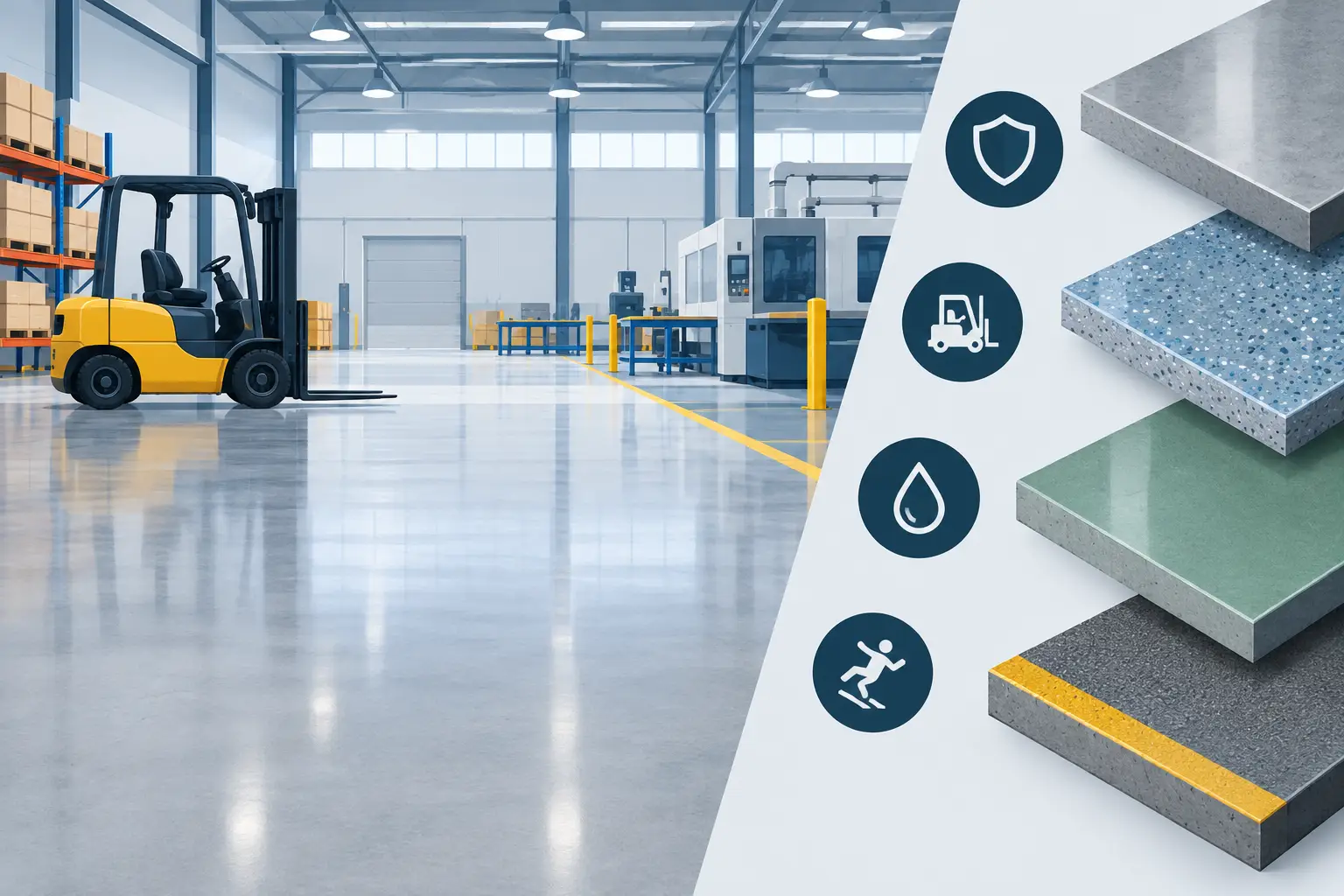
Best Industrial Floor Systems for Demanding Sites
October 16, 2026 1:51 am
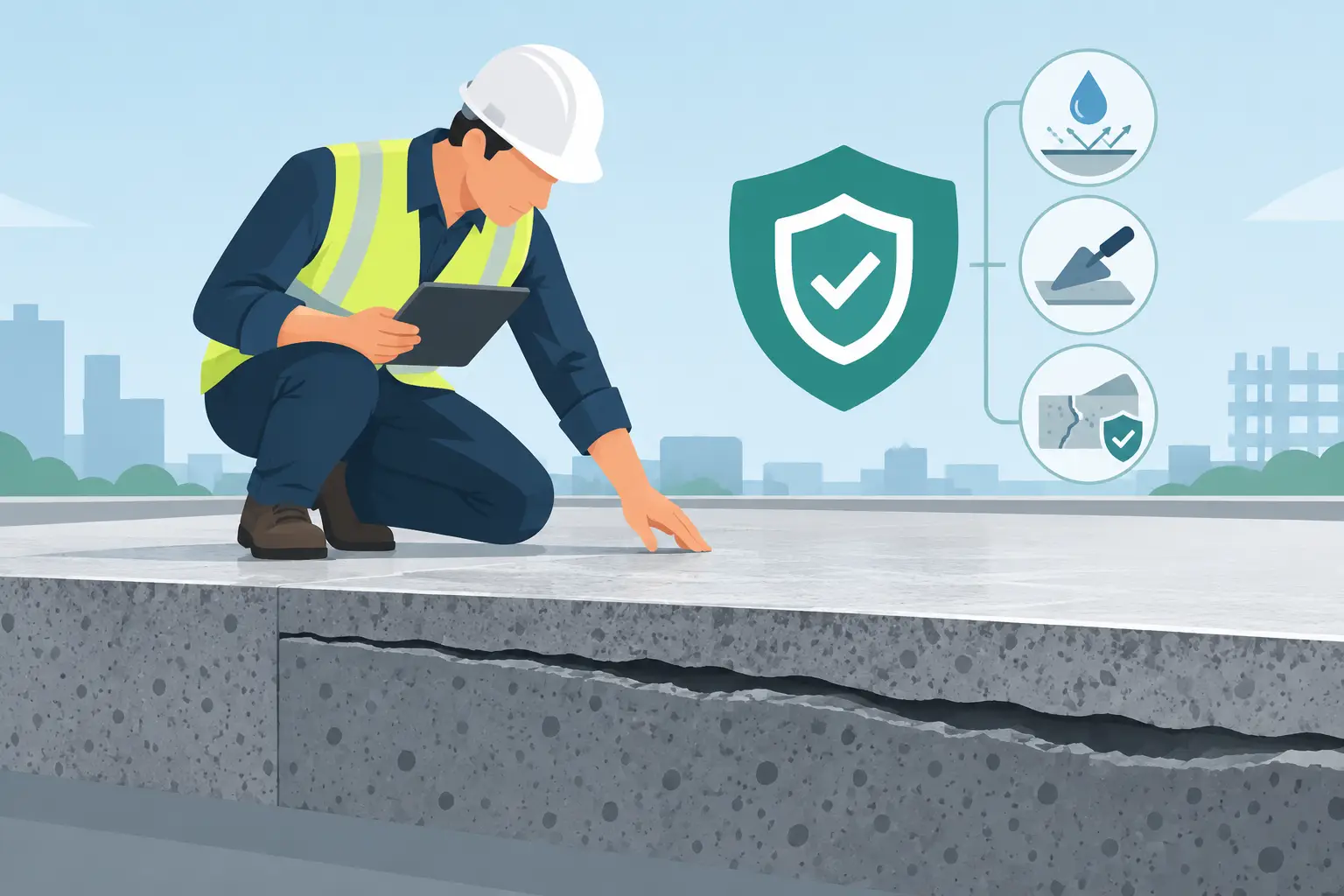
How to Prevent Concrete Delamination Early
October 14, 2026 1:51 am

Warehouse Floor Safety Guide for Busy Facilities
October 12, 2026 1:45 am