
Best Flooring for Retail Stores
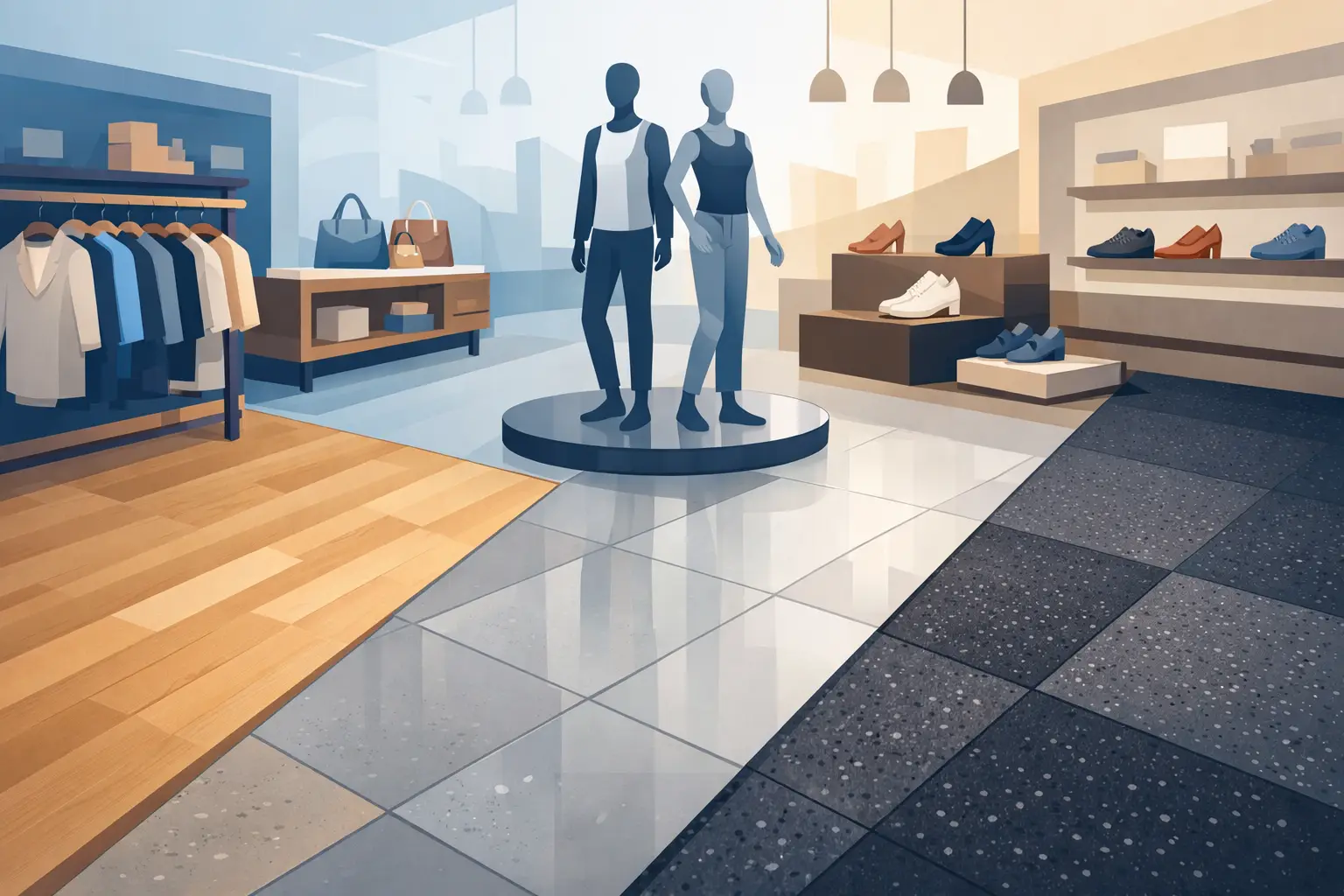
A retail floor gets judged fast. Customers notice how it looks, staff notice how it cleans, and owners notice how often it needs repairs. If you are weighing the best flooring for retail stores, the right answer usually comes down to three things – traffic, maintenance, and how your space needs to perform day after day.
Retail flooring is not just a design choice. It affects safety, cleaning time, downtime, long-term cost, and the way your brand presents itself. A boutique with light foot traffic has different needs than a grocery store, showroom, auto parts retailer, or big-box space. That is why the best flooring decision is rarely about what looks good in a sample board. It is about what holds up under real use.
What makes the best flooring for retail stores?
The best retail floor has to do more than survive foot traffic. It needs to resist scuffs, stains, shopping cart wear, point loads from fixtures, and frequent cleaning. If your business handles spills, tracked-in water, or product movement on dollies and pallet jacks, those demands go up quickly.
Maintenance matters just as much as appearance. A floor that looks great on day one but needs constant waxing, deep cleaning, or tile replacement can become expensive fast. In retail, labor costs and disruption add up. Flooring that stays attractive with simple cleaning usually delivers better value over time.
There is also the customer experience side. Some floors create a clean, modern look that supports high-end merchandising. Others are better for slip resistance, noise control, or hiding dirt between cleanings. The right system has to support your operations, not fight them.
Polished concrete: a strong choice for many retail spaces
For many owners and facility managers, polished concrete is one of the best flooring options for retail stores because it balances durability, low maintenance, and appearance. In stores with an existing concrete slab, polishing can turn that surface into a finished floor without layering on materials that wear out or peel.
Polished concrete performs especially well in high-traffic retail. It handles steady foot traffic, shopping carts, rolling displays, and routine cleaning without the same maintenance cycle you get with softer surfaces. It also creates a clean, bright look that works well in showrooms, apparel spaces, home improvement stores, and modern commercial interiors.
From an operations standpoint, the appeal is straightforward. There is no wax to strip, no grout lines to scrub, and no frequent replacement of damaged sections in normal use. Dust mopping and routine cleaning usually handle day-to-day maintenance. That helps reduce upkeep costs while keeping the store presentable.
There are trade-offs. Polished concrete is hard underfoot, so some retail environments may need mats at registers or workstations where employees stand for long periods. It can also be slippery if water or oils are left sitting on the surface, which means entry planning, proper cleaning, and traction-focused finishes matter. But when the floor is installed and maintained correctly, polished concrete is one of the most dependable long-term options available.
Epoxy flooring: ideal when chemical resistance and design control matter
Epoxy flooring is another strong option, especially for retail spaces that need a more protective surface or a specific look. Unlike polished concrete, epoxy is a coating system applied over the slab. It can provide solid color, decorative flake, gloss finishes, and added protection against chemicals, stains, and abrasion.
This makes epoxy a smart fit for auto-related retail, service counters, stock areas, garden centers, and stores where spills or harsher cleaning methods are common. It also works well when the existing concrete needs cosmetic improvement and the owner wants a uniform finish.
The main advantage is protection. A properly installed epoxy system can create a surface that is easy to clean, resistant to many chemicals, and more visually controlled than bare concrete. It can also be customized for branding, color zoning, or slip-resistant additives in higher-risk areas.
The trade-off is that coatings depend heavily on surface preparation and installation quality. If the slab is not profiled, repaired, and treated correctly, coating failure becomes more likely. Epoxy can also show wear patterns over time in very high-traffic retail aisles, especially if the wrong system is selected. This is where experienced project scoping matters.
Tile: familiar, attractive, and maintenance-heavy over time
Tile is common in retail because it offers a clean, finished appearance and a wide range of styles. For certain storefronts, restaurants, and smaller retail footprints, it can still be a practical choice. It is also easy for customers to recognize as a premium-looking material when it is kept in good condition.
The downside shows up with time and traffic. Grout lines trap dirt, require more detailed cleaning, and can discolor. Individual tiles can crack under impact or shifting loads, and repairs often stand out. In larger stores, that patchwork effect can make the floor look older than it is.
Tile can still make sense in specialty retail where aesthetics lead the decision and traffic is moderate. But for owners focused on long-term maintenance and operational efficiency, it often creates more upkeep than polished concrete or commercial-grade resin systems.
Luxury vinyl plank and sheet vinyl: softer feel, shorter lifespan
Luxury vinyl plank and commercial sheet vinyl are often chosen for their appearance, comfort, and lower upfront cost. They can mimic wood or stone, reduce noise somewhat, and feel less hard underfoot than concrete or tile. For boutiques, small shops, and tenant improvements with tight budgets, they may seem like an easy solution.
But retail traffic tends to expose their limits. Dragged fixtures, shopping carts, moisture, and repeated cleaning can wear the surface, lift edges, or damage seams depending on the product. In busy environments, replacement cycles come sooner than many owners expect.
That does not mean vinyl is a bad product. It means it is better suited to lighter-duty retail or shorter-term occupancy plans. If you are building out a space for long-term use and want to minimize future flooring replacement, harder-wearing systems usually make more sense.
Carpet tile: useful in limited retail settings
Carpet tile can work in offices, fitting rooms, or select showroom environments where acoustics and comfort matter more than heavy wear resistance. It softens the feel of a space and can help create a more relaxed customer experience.
For main retail traffic areas, though, carpet is usually not the first choice. It stains more easily, holds dirt, and generally requires more maintenance to stay presentable. In stores with food, beverages, weather exposure, or rolling traffic, it tends to fall behind quickly.
How to choose the best flooring for your store
The best flooring for retail stores depends on how your space actually operates. Start with traffic volume. A low-traffic boutique can prioritize appearance differently than a discount retailer, grocery store, or showroom with constant movement.
Then look at what the floor has to endure. Are there shopping carts, pallet jacks, metal fixtures, stockroom movement, spills, or frequent wet cleaning? If yes, durability and surface performance need to lead the conversation. That usually pushes polished concrete or epoxy higher on the list.
Budget should be looked at over the life of the floor, not just the install price. A lower-cost material that needs more cleaning, repairs, or replacement can become the more expensive choice. This is where many owners shift away from short-term products and toward systems built for commercial wear.
Aesthetics still matter, but they should support operations. The floor should fit your brand while still being practical to maintain. A sleek, glossy finish may look great in a showroom, while a satin finish with better traction may be smarter near entries or service counters.
Why concrete-based systems stand out in retail
For many retail environments, concrete-based flooring systems stand out because they solve the biggest ownership problems at once. They are durable, easy to maintain, visually versatile, and well suited for high-traffic commercial use. Whether that means polished concrete for a refined, low-maintenance finish or epoxy for added protection and color control depends on the space.
That is why many property owners, general contractors, and facility teams look at the slab first before covering it with something else. If the concrete is in workable condition, improving that surface often delivers a better long-term result than installing a product with more seams, more maintenance, or a shorter service life.
A contractor with real retail experience can also help you plan around business hours, phasing, moisture conditions, substrate repairs, and finish expectations. That is where the outcome gets decided – not in the brochure, but in the prep, product selection, and installation quality.
If you are comparing flooring options for a retail space in Orange County, the smartest move is to match the floor to your traffic, cleaning demands, and brand presentation from the start. The right system should make your store easier to run, not harder to maintain. If you need a surface that is built for retail use and scoped correctly the first time, get a quote and talk through the space with a contractor who understands how commercial floors actually perform.
Recent Post
Sealed Concrete vs Polished: Which Floor Fits? September 4, 2026 2:54 am

Concrete Floor Moisture Testing Before Coatings September 2, 2026 2:54 am
Epoxy Flake Systems for Garages and Workspaces August 31, 2026 2:57 am