
Concrete Floor Leveling Services That Last
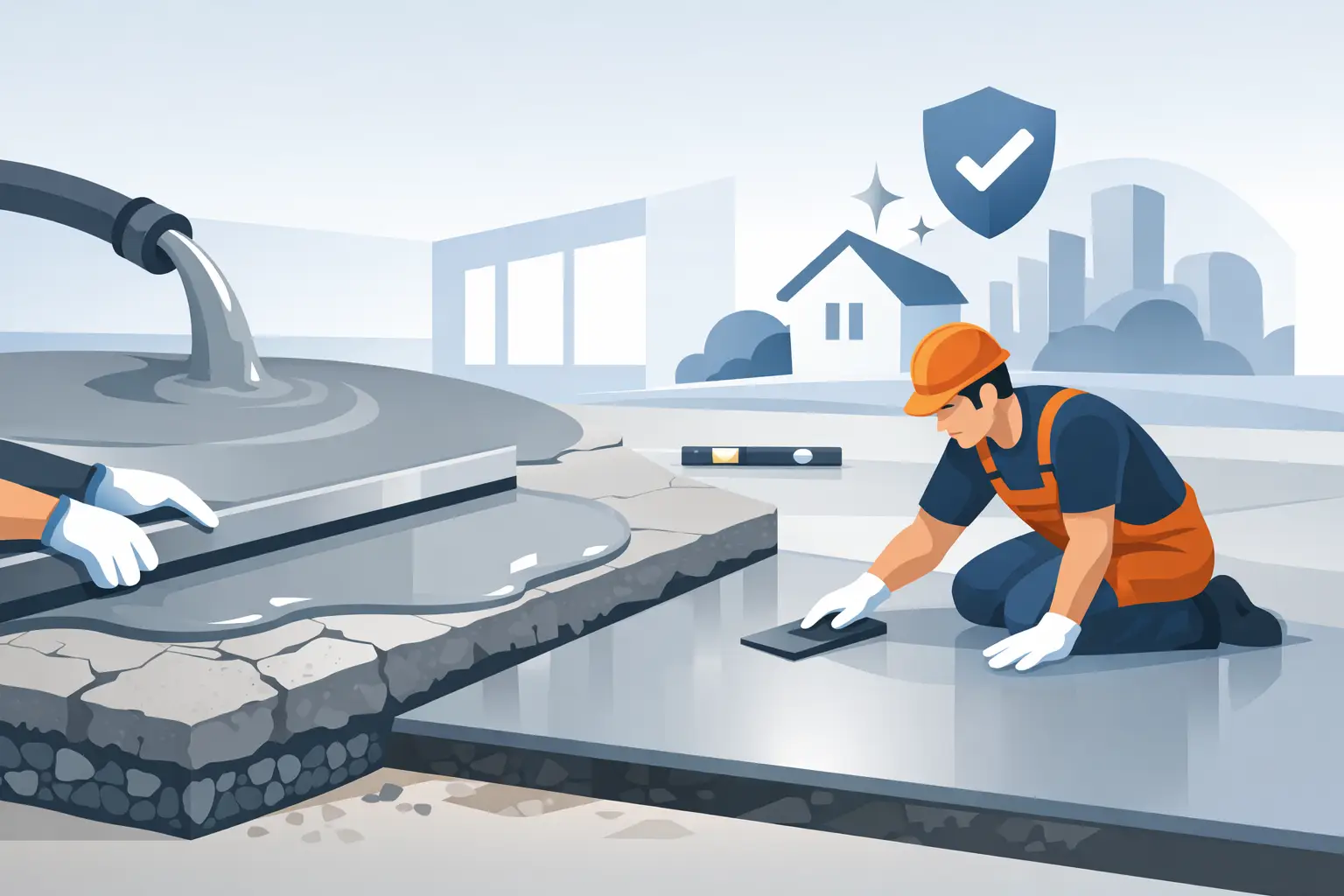
An uneven slab does more than look bad. It throws off equipment, creates trip hazards, causes coating failures, and turns what should be a durable concrete floor into an ongoing maintenance issue. That is why concrete floor leveling services matter before polishing, epoxy installation, resurfacing, or any finished floor system goes down.
At Orange County Concrete Polishing, leveling is not treated like a quick patch job. It is a surface correction process that has to match the condition of the slab, the use of the space, and the finish that comes next. A garage, warehouse, retail floor, office, and hangar do not all need the same approach. The right result comes from proper evaluation, correct prep, and a system built for the traffic and demands that floor will see every day.
What concrete floor leveling services actually fix
Most clients call because they can see the problem. The floor may dip in one area, have high spots in another, or show old patchwork that has started to fail. In commercial and industrial spaces, the issue often shows up in operations first. Racking sits unevenly, pallet jacks catch rough transitions, and coatings wear faster where the slab is not flat.
Leveling work is designed to correct surface irregularities so the floor performs the way it should. That can mean smoothing minor unevenness, filling low areas, addressing rough or damaged sections, or preparing a slab for a new finish system. In some cases, the goal is visual improvement. In others, it is about safety, equipment performance, drainage considerations, or making sure a polished or coated floor bonds correctly.
Not every uneven floor needs the same scope of work. A slightly inconsistent residential garage slab is different from a warehouse floor where forklifts run daily. The right contractor should tell you that early, because overbuilding wastes money and underpreparing causes problems later.
Why leveling matters before coatings or polishing
A lot of floor failures start before the finish is ever installed. If the slab is uneven, weak, contaminated, or patched with the wrong material, the finish on top is already at a disadvantage.
For polished concrete, the floor needs to be consistent enough to grind evenly and produce a clean final appearance. Deep low spots and poor previous repairs can interrupt that process and leave visual inconsistencies. For epoxy and other resinous systems, uneven areas can affect thickness, adhesion, and long-term wear. If the floor has ridges, dips, or soft patches, those issues often telegraph through the finished system.
This is where concrete floor leveling services become a practical investment, not an extra line item. A properly leveled slab helps coatings last longer, improves the final appearance, and reduces the chance of callbacks for peeling, cracking, or premature wear. It also makes cleaning easier because the floor surface is more uniform and less likely to trap dirt, liquids, and debris.
Common signs your floor needs leveling
Some warning signs are obvious. Others tend to get ignored until they start affecting business operations or daily use. If you notice standing water after cleaning, visible dips or humps, cracked or crumbling patches, rough transitions between sections, or repeated coating wear in the same areas, the slab should be evaluated.
In commercial buildings, doors may not clear properly, fixtures may sit unevenly, and rolling traffic may start to bounce or drag over bad sections. In residential settings, homeowners often notice unevenness when they want to upgrade the space with epoxy, polished concrete, or a cleaner garage finish.
The key is catching the issue before a cosmetic upgrade goes over a structural or surface-level problem. A finished floor is only as reliable as the slab under it.
How professional concrete floor leveling services are done
Good leveling work starts with inspection, not product. The slab has to be checked for flatness, surface damage, contaminants, previous coatings, moisture-related concerns, and the intended use of the space. That determines whether the solution is grinding high spots, filling low areas, resurfacing wider sections, or combining methods for a more uniform result.
Surface preparation is the part clients do not always see, but it is what makes the repair last. The concrete needs to be mechanically prepared so leveling materials bond correctly. If there are weak spots, old failing patches, adhesive residue, or contaminants left behind, the new material may not hold the way it should.
Once the floor is properly prepped, leveling compounds or repair materials are applied where needed and finished to suit the next stage of the project. Some jobs need a floor ready for polishing. Others need a profile suitable for epoxy or a smooth, serviceable surface for direct use. Timing matters too. In an active business, the work may need to happen in phases or during off-hours to reduce disruption.
That is one reason experienced crews make a difference. Leveling is not just about making the floor look smoother that day. It is about delivering a surface that performs under traffic, cleaning, impact, and whatever system comes next.
Residential, commercial, and industrial needs are different
One of the biggest mistakes in floor work is assuming every slab should be treated the same way. It should not.
A residential garage floor usually needs a clean, level base that supports a long-lasting coating or polished finish and improves the overall look of the space. Homeowners care about appearance, ease of cleaning, and durability, but they also want a solution that makes sense for the budget.
Commercial spaces often have a different priority. Retail stores, offices, restaurants, and showrooms need floors that look professional and stay safe for foot traffic. Uneven slabs can create visible flaws and liability concerns. Scheduling also matters more, since many businesses need the work completed around operating hours.
Industrial environments demand the most from the floor. Warehouses, manufacturing spaces, parking structures, and hangars deal with heavier loads, rolling equipment, chemicals, and constant wear. In those settings, leveling has to support function first. Appearance still matters, but durability, surface performance, and compatibility with heavy-duty coatings are usually the bigger priorities.
Choosing the right contractor for concrete floor leveling services
Not every contractor who works on concrete is set up to handle leveling correctly. This type of work sits at the intersection of surface prep, repair, finishing, and flooring system performance. If the contractor does not understand what comes after leveling, the floor may be flat enough to look acceptable but still not right for polishing, coatings, or long-term traffic.
You want a team that evaluates the slab in person, explains what is causing the problem, and recommends a scope that matches the space. That means discussing use conditions, finish options, traffic levels, and any scheduling limits before the work begins. A tailored proposal is usually a better sign than a one-size-fits-all price.
It also helps to work with a contractor who handles related services like grinding, resurfacing, polishing, and epoxy systems. That broader experience leads to better decisions during leveling because the crew understands how each layer of the project affects the next one.
Cost, timeline, and what can affect both
The cost of leveling depends on how much correction the slab needs, the size of the space, the condition of the concrete, and the final floor system being installed. A floor with minor low spots is a very different project from one with multiple failed repairs, moisture concerns, and heavy industrial use.
Timeline depends on prep requirements, cure times, access to the site, and whether the job can be completed all at once. In occupied commercial buildings, scheduling around tenants, customers, or operations may add complexity. That is not a reason to rush the work. It is a reason to plan it correctly.
The cheapest quote is not always the lowest total cost. If poor prep leads to coating failure, uneven wear, or repeated repairs, the floor becomes more expensive over time. A properly scoped leveling job protects the finish, reduces maintenance, and gives you a better-performing surface from day one.
A level floor sets up everything that follows
Whether you are upgrading a garage, preparing a showroom, or getting an industrial slab ready for serious traffic, the floor has to be right before the finish work starts. Leveling is what turns a problem slab into a usable surface and gives every coating, polish, or resurfacing system a fair chance to perform.
If your concrete is uneven, patched, worn, or not ready for the next step, get it evaluated before you invest in a finish. A level floor does not just look better. It works better, lasts longer, and makes the rest of the project worth doing.
Recent Post

Sealed Concrete vs Polished: Which Floor Fits? September 4, 2026 2:54 am

Concrete Floor Moisture Testing Before Coatings September 2, 2026 2:54 am
Epoxy Flake Systems for Garages and Workspaces August 31, 2026 2:57 am