
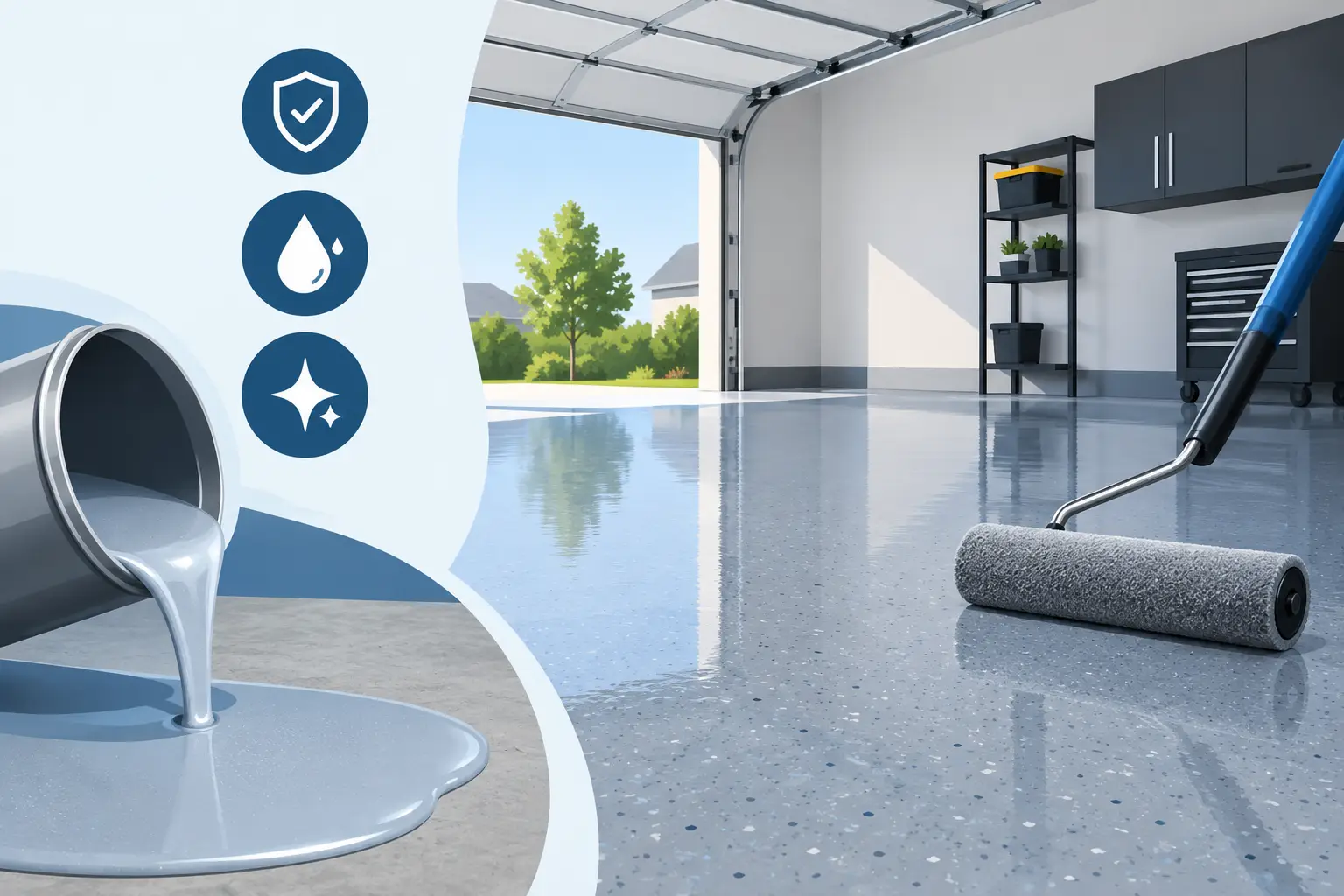
Polyaspartic Coating Review: Is It Worth It?
A polyaspartic coating review should start with the question that matters most: will the floor hold up in your actual space? For a busy Orange County garage, retail back room, warehouse aisle, restaurant service area, or aircraft hangar, the answer can be yes – but only when the concrete is properly prepared and the coating system is selected for the job.
Polyaspartic coatings have earned their reputation for fast return-to-service times, strong chemical resistance, and a clean finished appearance. They are not a shortcut around surface preparation, moisture testing, crack repair, or experienced installation. The best results come from matching the system to the slab, traffic level, exposure conditions, and desired finish.
Polyaspartic Coating Review: What It Does Well
Polyaspartic is a type of high-performance protective coating commonly used over concrete. It is often compared with epoxy because both systems can create a durable, easy-to-clean floor. The difference is largely in curing speed, UV stability, and installation conditions.
A properly installed polyaspartic system can cure much faster than a traditional epoxy floor. That is a major advantage for homeowners who need their garage back quickly and for commercial clients that cannot afford extended downtime. Depending on the system and site conditions, crews can often complete a floor and return it to service within a much shorter window than conventional multi-day coating schedules.
It also performs well under sunlight. Standard epoxy can amber or yellow when exposed to UV light, particularly near open garage doors, storefront windows, and exterior-facing entries. Polyaspartic topcoats are generally more UV stable, helping the floor maintain its intended color over time.
For many facilities, chemical resistance is another practical benefit. A quality coating system helps protect concrete from oil, vehicle fluids, cleaners, salt residue, light industrial spills, and routine wear. It creates a smoother surface that is easier to sweep, mop, and maintain than bare concrete.
The finish is highly customizable. Solid colors, decorative flake blends, quartz broadcast systems, and clear protective topcoats can all be used to create a floor that fits the space. A garage may benefit from a decorative flake floor that hides dust and tire marks, while a commercial workspace may need a more uniform finish with defined safety colors or traffic zones.
Where Polyaspartic Coatings Have Limits
No coating is indestructible, and a credible polyaspartic coating review should be clear about that. Polyaspartic floors are durable, but their performance depends on the condition of the concrete underneath. If the slab has active moisture vapor issues, weak surface paste, oil contamination, failed prior coatings, or moving cracks, applying a fast-curing material over the problem will not fix it.
Moisture is one of the most common concerns. Concrete can look dry while still transmitting moisture vapor from below. If the slab is not evaluated correctly, a coating can blister, delaminate, or develop bond issues. This is especially relevant in older garages, ground-level commercial spaces, and buildings with uncertain vapor barriers. A contractor should inspect the slab and recommend the right moisture-mitigation primer or an alternative flooring solution when necessary.
Polyaspartic also cures quickly, which is both its benefit and its challenge. The crew has less working time to spread the material, broadcast flakes consistently, back-roll the coating, and maintain clean edges. Installation is not a good candidate for a rushed DIY weekend, especially on large or heavily used floors. Skilled installers plan the sequence, crew size, temperature range, and material mix before coating begins.
Cost can be another trade-off. Polyaspartic systems may cost more than basic paint or entry-level epoxy options. However, price should be evaluated against expected service life, cleaning needs, downtime, and the cost of repairing a failed coating. The least expensive quote is often missing essential work such as diamond grinding, crack treatment, moisture evaluation, or a proper topcoat.
Surface Preparation Determines the Result
The coating is only as reliable as its bond to the concrete. At Orange County Concrete Polishing, surface preparation is treated as the foundation of the project, not an optional add-on.
The process typically starts with a site evaluation. The concrete is checked for cracks, spalling, stains, previous sealers, coating failures, slope concerns, and moisture-related risks. A garage with tire marks and minor cracks needs a different plan than a warehouse floor with forklift traffic or a restaurant floor exposed to grease and frequent washing.
Mechanical diamond grinding is usually the preferred preparation method. It opens the concrete surface and creates the profile needed for the coating to bond. Acid washing is not a replacement for professional mechanical preparation on a high-performance floor system. It does not reliably remove contaminants, correct uneven surface conditions, or provide the same consistent texture.
Cracks and damaged areas should be repaired before coating. Some cracks can be filled and blended into the finish; others may remain visible or require flexible treatment if movement is expected. A responsible contractor will explain what can be made less noticeable and what cannot be permanently hidden by any rigid coating.
Once the slab is prepared, the system may include a primer, base coat, decorative broadcast layer, scrape and vacuum step, and a protective polyaspartic topcoat. The exact build depends on the floor’s use. A showroom floor has different requirements from a machine shop, loading area, or residential garage.
Is Polyaspartic Better Than Epoxy?
It depends on the project. Polyaspartic is often the better choice when fast installation, UV stability, and quick return to service are priorities. It is particularly effective for garages, retail areas, service bays, commercial corridors, and other spaces where prolonged closure creates a problem.
Epoxy still has a place in professional flooring. Certain epoxy systems can provide excellent build thickness, adhesion, and chemical resistance. They may be better suited to specific industrial environments, moisture-control assemblies, or projects where a slower cure is not an issue. In many cases, the strongest approach is not choosing one material exclusively. A flooring system can use an epoxy or moisture-mitigating primer with a polyaspartic topcoat to combine the strengths of both products.
The right question is not which coating has the better marketing claim. The right question is which system is appropriate for your concrete, environment, traffic, and schedule.
Best Uses for a Polyaspartic Floor
Polyaspartic coatings are a strong fit for spaces that need a durable, presentable, low-maintenance concrete finish without lengthy downtime. Residential garages are a common application because the floor can resist vehicle fluids, improve appearance, and simplify cleaning. Decorative flakes also provide visual texture that helps disguise everyday dust and small marks.
Commercial spaces benefit from the fast cure and professional finish. Retail stores, office service areas, auto facilities, storage rooms, and light manufacturing operations often need flooring work completed during off-hours. A properly planned coating installation can reduce disruption and help a business reopen on schedule.
For industrial and high-traffic settings, the system needs to be specified carefully. Forklift wheels, pallet jacks, welding activity, hot tires, impact, and aggressive chemicals can demand thicker builds, specialized primers, added traction, or a different resin system altogether. A coating that looks excellent in a two-car garage is not automatically the right answer for a warehouse shipping lane.
Questions to Ask Before You Approve a Quote
Before choosing a contractor, ask how the concrete will be prepared, how cracks and damaged areas will be addressed, and whether moisture conditions will be evaluated. Ask what coating layers are included, how slip resistance will be handled, and how long the floor must remain free of foot and vehicle traffic.
You should also ask whether the quote includes edge work, grinding, repairs, decorative flakes, topcoat protection, and cleanup. Clear scope matters because coating projects can look similar on paper while having very different levels of preparation and long-term value.
A dependable contractor will not promise that every crack disappears or claim that one coating is right for every slab. They will explain the options, identify risks early, and recommend a system built around how the floor will actually be used.
If your concrete needs to look better, clean easier, and stand up to real daily use, schedule an in-person evaluation before selecting a coating. The right polyaspartic system starts with an honest look at the slab and ends with a floor built for the way you work, park, and operate.
Recent Post
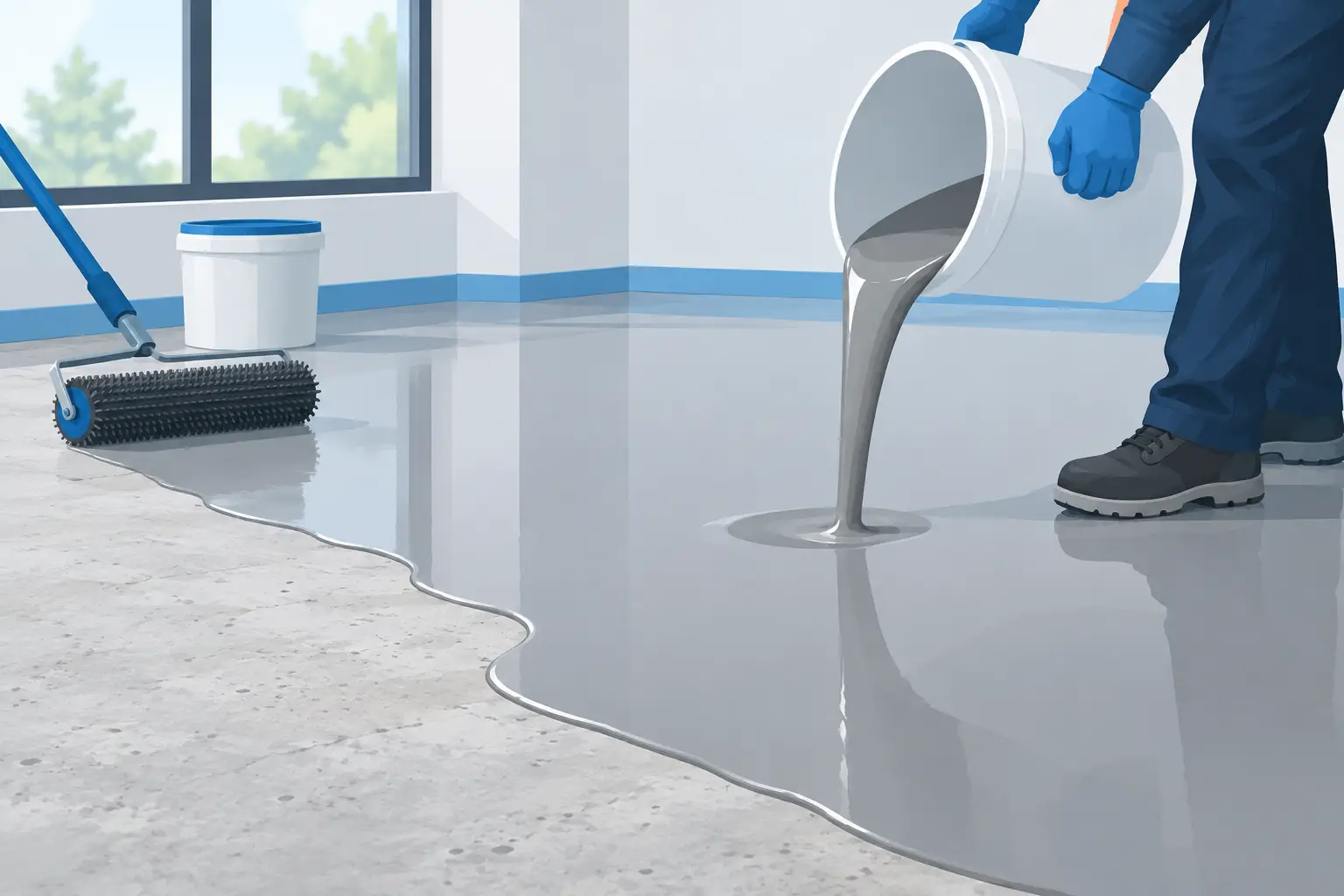
Self Leveling Underlayment Review for Concrete Floors
October 22, 2026 1:50 am

Airplane Hangar Floor Upgrade for Hard Work
October 18, 2026 1:45 am
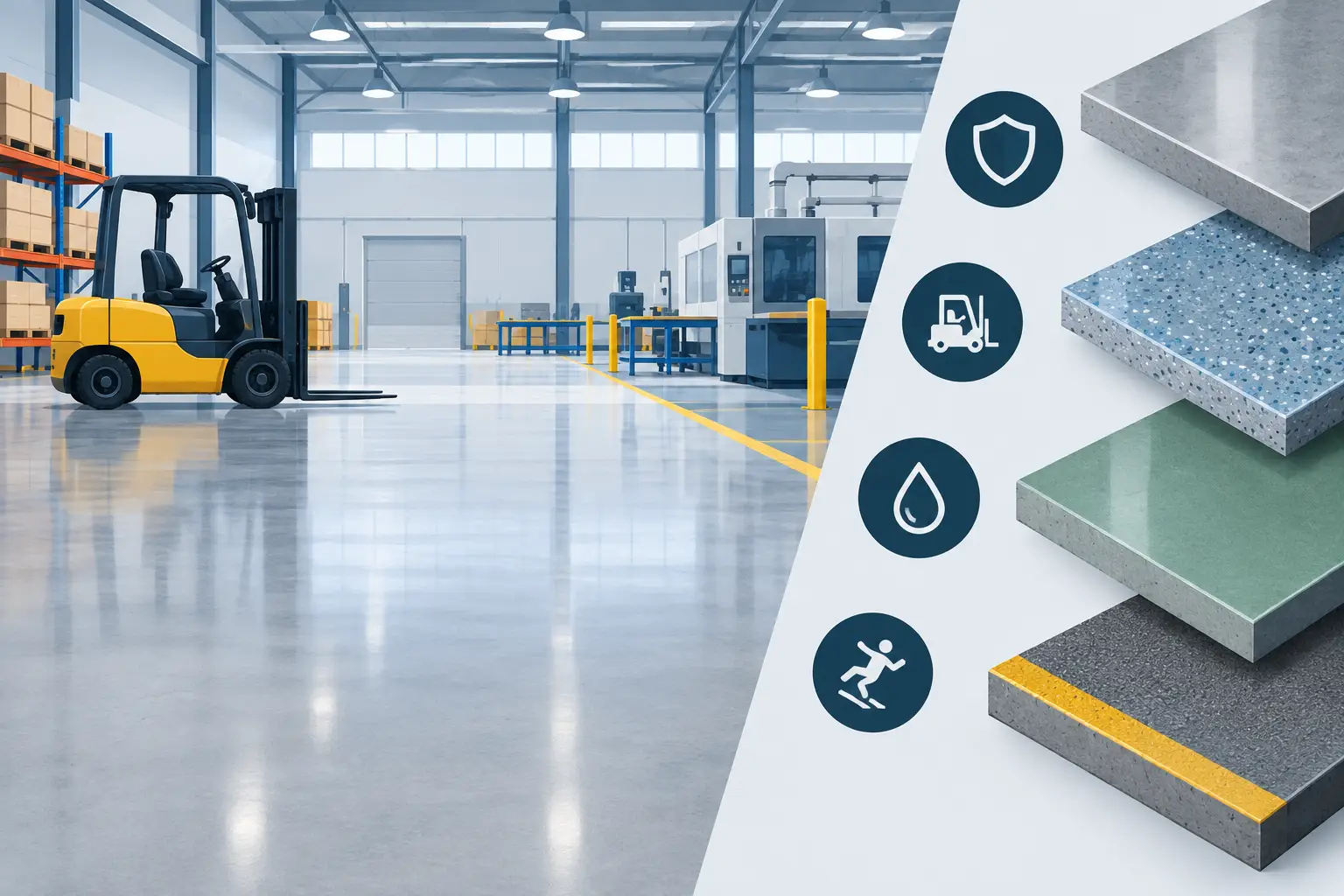
Best Industrial Floor Systems for Demanding Sites
October 16, 2026 1:51 am