

How to Choose a Concrete Resurfacing Contractor
A worn concrete floor does not always need to be removed and replaced. Cracks, stains, spalling, failed coatings, and uneven texture can often be corrected with the right resurfacing system. The key is hiring a concrete resurfacing contractor who understands what is happening below the surface, not just what will look good on installation day.
For Orange County homeowners, facility managers, and business owners, resurfacing can be a practical way to improve a garage, retail floor, warehouse aisle, office, patio, parking area, or industrial workspace without the expense and disruption of a full concrete replacement. But results depend on surface preparation, material selection, moisture conditions, traffic demands, and workmanship. A low bid that skips those steps can turn into a peeling, cracking, or hard-to-clean floor within a short time.
What a Concrete Resurfacing Contractor Should Evaluate First
A professional resurfacing project starts with an in-person assessment. Concrete may look simple, but every slab has a different history. Some floors have absorbed oil or chemicals. Others have old paint, adhesive, sealers, moisture vapor, tire wear, or weak concrete near the surface. Those conditions determine whether resurfacing is appropriate and which system will perform best.
A qualified contractor should inspect the slab for cracks, delamination, spalling, low spots, drainage concerns, and signs of moisture. They should also ask how the area is used. A decorative residential garage has different requirements than a commercial kitchen, warehouse, showroom, airplane hangar, or parking structure.
The right recommendation is not always the thickest coating or the most expensive finish. It depends on the condition of the concrete and the demands placed on it. A warehouse floor may need abrasion resistance and clear traffic markings. A garage may benefit from a decorative flake epoxy system with chemical resistance and easy cleaning. A retail space may need a smooth, modern finish that can be completed after business hours to limit downtime.
If a contractor gives a firm price without looking at the floor, that should raise questions. Good resurfacing proposals are based on actual site conditions, square footage, access, repairs, desired finish, and scheduling needs.
Surface Preparation Is Where Resurfacing Projects Succeed or Fail
The visible finish gets attention, but preparation does the real work. New coatings, overlays, stains, and repair materials need a clean, properly profiled concrete surface to bond correctly. Applying a product over dirt, oil, weak concrete, old coating residue, or a smooth slab is one of the fastest ways to create a failure.
Professional preparation can include concrete grinding, shot blasting, crack repair, joint treatment, removal of failed coatings, and leveling work. The goal is to create a stable surface with the correct texture for the selected system. In many cases, dust-controlled grinding is an effective way to remove contaminants and open the concrete without unnecessary mess.
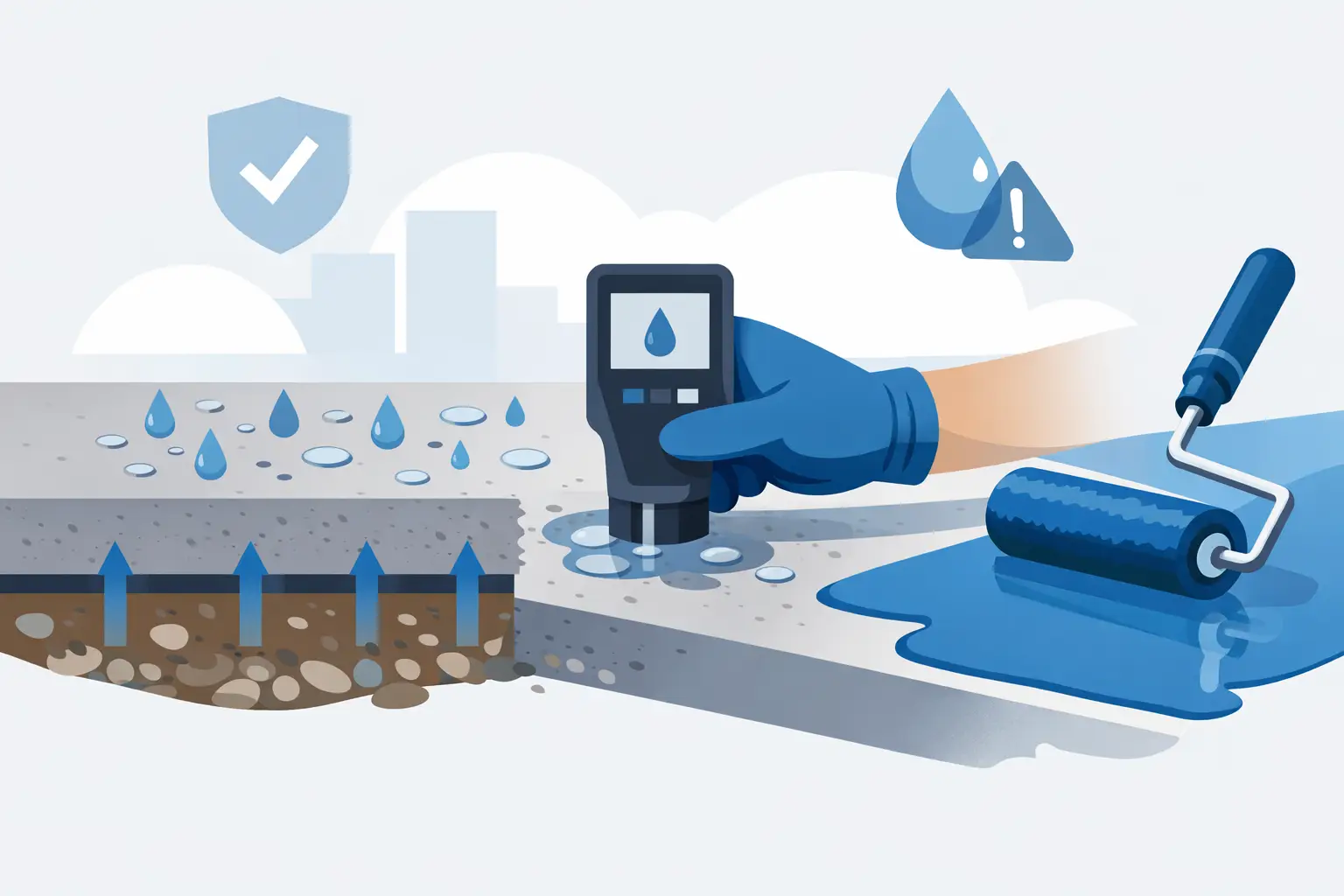
Moisture deserves special attention. Concrete naturally contains moisture, and vapor transmission can cause bubbling, peeling, discoloration, or bond failure when the wrong coating is installed. This does not automatically mean a floor cannot be resurfaced. It means the contractor needs to identify the condition and specify a compatible moisture-mitigation or coating system when necessary.
Ask how preparation will be handled, not just what color or finish you can choose. A contractor should be able to explain the process clearly: what will be removed, how cracks will be repaired, whether grinding is required, how dust will be managed, and how the surface will be tested before installation begins.
Choose the Right Resurfacing System for the Space
Concrete resurfacing is not one product. It is a category of solutions, and each has a different purpose. The best concrete resurfacing contractor will match the system to your floor’s use instead of pushing a one-size-fits-all option.
Epoxy and Polyaspartic Systems
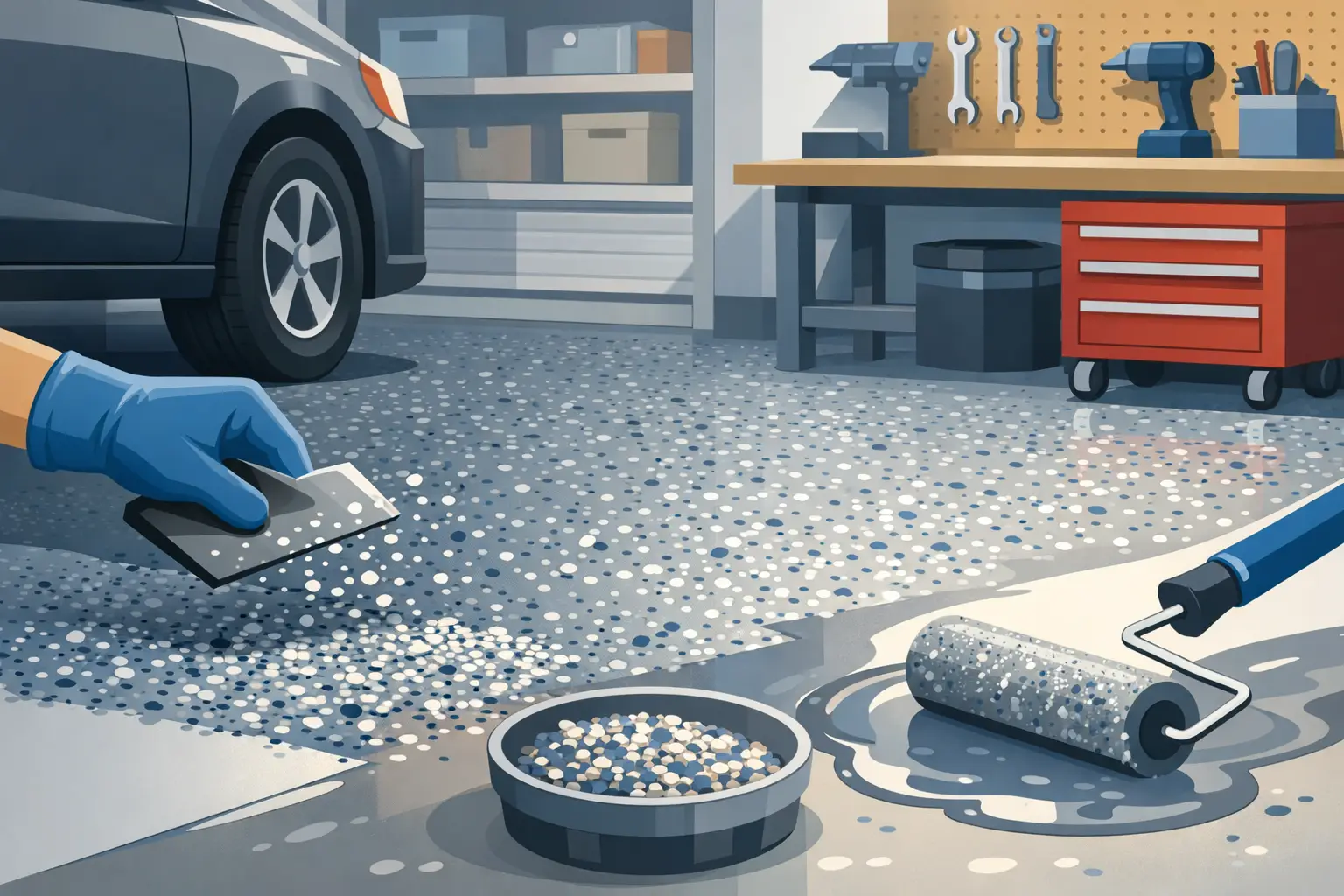
Epoxy systems are popular for garages, commercial spaces, service areas, and industrial environments because they can provide a clean appearance, chemical resistance, and easier maintenance. Decorative flake systems add texture, color variation, and improved visual appeal while helping conceal dirt and minor wear.
Polyaspartic topcoats can offer faster cure times and strong resistance to UV exposure, making them useful where scheduling is tight or sunlight is a concern. However, fast-curing materials require skilled installation. The crew needs to work efficiently and maintain consistent coverage before the material sets.
Cementitious Overlays and Repair Materials
When concrete is worn, chipped, spalled, or cosmetically damaged, a cementitious overlay or repair system may be appropriate. These products can restore the surface before it receives a protective coating, stain, or decorative finish. They are not a cure for active structural movement or major slab failure, so the source of cracking must be understood first.
A good contractor will be direct about limitations. Hairline cracks can often be repaired or treated to reduce their appearance, but concrete moves. Deep structural cracks, settlement, poor drainage, or ongoing moisture problems may require additional work before a finish is installed.
Polished, Stained, and Dyed Concrete
Some spaces are better suited for polished concrete, concrete staining, or dyes rather than a coating. Polished concrete can deliver a clean, durable, low-maintenance floor for offices, retail spaces, warehouses, and modern residential interiors. Stains and dyes add color while retaining a concrete-based appearance.
These options are especially effective when the slab is in reasonably good condition and the owner wants a finish that will not peel like a poorly bonded coating. The trade-off is that existing patches, repairs, and slab variations can remain visible. That character can look intentional and attractive, but it should be discussed before work begins.
Questions to Ask Before Hiring
The right contractor should welcome practical questions. You are not only buying materials. You are hiring a team to prepare a working surface that needs to perform for years.
Ask what preparation method is planned, how cracks and damaged areas will be addressed, what system is recommended, and why it fits your space. Find out how long the area will be unavailable, especially if you operate a business, warehouse, or active facility. Confirm whether the contractor can schedule work during evenings, weekends, or other off-hours.
It is also smart to ask about traction. A high-gloss floor can look excellent, but some locations need an added traction profile for wet conditions, foot traffic, carts, or vehicle use. Restaurants, entry areas, loading zones, pool-adjacent surfaces, and industrial operations may need a different finish than a private showroom or interior office.
Finally, ask what maintenance the finished floor will require. Most quality resurfacing systems are designed to reduce maintenance, not eliminate it entirely. Regular sweeping, prompt cleanup of spills, and the right cleaning products protect the finish and preserve its appearance.
Look Beyond the Lowest Price
A low quote can be tempting, especially when several contractors appear to be offering the same service. In reality, proposals may be very different. One may include grinding, repairs, moisture protection, premium materials, and multiple coats. Another may only include a thin coating applied over basic cleaning.
Compare the scope of work line by line. Make sure the proposal identifies preparation, repairs, product type, finish, color or decorative options, protection coats, and expected downtime. Clear communication before the project is a strong sign that the contractor will be organized during the project.
Orange County Concrete Polishing builds resurfacing proposals around the actual floor, the environment, and the operational demands of the property. Whether the priority is chemical resistance, improved appearance, easier cleaning, traction, or a fast turnaround, the system should be selected for the job rather than pulled from a generic package.
A resurfaced concrete floor should make your property easier to operate, easier to maintain, and more presentable to customers, tenants, employees, or guests. Start with an in-person estimate, ask direct questions about preparation and performance, and choose a contractor who treats the condition of your slab as seriously as the finished look.
Recent Post

Sealed Concrete vs Polished: Which Floor Fits? September 4, 2026 2:54 am
Concrete Floor Moisture Testing Before Coatings September 2, 2026 2:54 am
Epoxy Flake Systems for Garages and Workspaces August 31, 2026 2:57 am